
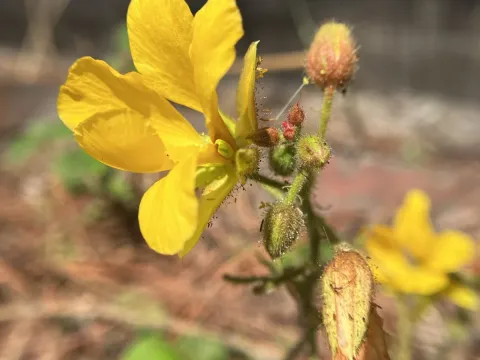
Cassia hispidula
Cassia hispidula
Sowing of Cassia hispidula should be carried out in warmed soil after stable temperatures are established, as the seeds require warmth for successful germination. Spring months are considered the optimal window for establishing new plantations.
What the section contains
Cassia hispidula
The planting depth for seeds typically ranges from 2 to 4 centimeters, depending on the mechanical composition of the soil. It is crucial to ensure adequate moisture content in the substrate during the first two weeks post-sowing to ensure synchronized emergence.
In large-scale cultivation, a row-planting method is used with spacing between rows of 45 to 60 centimeters. This allows for mechanized field management and efficient weed control during the early stages of plant development.
Pre-sowing treatment may include scarification, as the hard seed coat characteristic of many legumes can delay sprouting. The use of high-quality seeds ensures uniform plant density across the entire field.
The plant demonstrates vigorous growth rates; therefore, when sowing dates are respected, the crop quickly closes its canopy, effectively suppressing weed growth through intense shading of the soil surface.
Cassia hispidula belongs to the Fabaceae family and prefers well-drained sandy or loamy soils with a neutral to slightly acidic pH. The plant is highly sensitive to waterlogging, which can easily trigger root rot.
This crop is a light-loving species that requires open areas free from shade. Intense solar exposure promotes the active synthesis of organic compounds and the development of robust vegetative biomass.
The optimal temperature range for normal development is between 22 and 30 degrees Celsius. While the plant shows moderate drought tolerance, prolonged periods of water deficit can result in reduced overall biomass production.
Soil fertility requirements are moderate; the plant is capable of fixing atmospheric nitrogen through symbiosis with root-nodule bacteria. However, on nutrient-poor soils, the application of phosphorus and potassium fertilizers significantly boosts yields.
Cultivation practices include regular inter-row cultivation to improve root zone aeration. Good soil ventilation is a key factor in maintaining plant health and preventing the development of fungal infections during rainy periods.
Primary pests affecting this crop include various caterpillar species and weevils that can damage the leaf apparatus. Early monitoring of the fields allows for the containment of pest populations at the initial stages of infestation.
Regarding fungal diseases, anthracnose and various leaf spots pose the greatest risk, especially under high humidity conditions. Implementing crop rotation is strongly recommended to lower the soil-borne pathogen load.
Preventive measures include the selection of resistant cultivars and maintaining spatial isolation when growing leguminous crops. Regular clearing of plant residues from the fields also significantly reduces the risk of recurrent infections.
If early signs of disease are detected, selective biological control agents or fungicides should be applied. It is important to avoid excessive nitrogen fertilization, as this makes plant tissues more susceptible to pathogens.
Balanced nutrient management and humidity control remain the most critical elements of crop protection, minimizing the reliance on intensive chemical pesticide applications during the active growing season.