
Cassia hybrids
Cassia hybrids
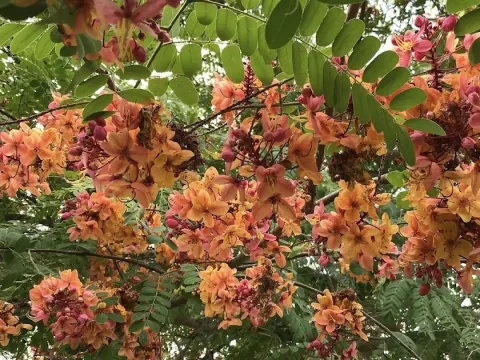
Cassia hybrids represent a group of plants within the Fabaceae family, intentionally developed for agricultural purposes to maximize the synthesis of specific medicinal compounds. These hybrids combine the resilience of wild ancestors with high yield potential under controlled farming conditions.
What the section contains
Cassia hybrids
The botanical characteristics include pinnate leaves and specialized pods which serve as the primary source of pharmaceutical-grade ingredients. The growth pattern is typically bushy, requiring specific spacing between rows to ensure adequate sunlight penetration to the lower foliage.
Climate requirements for Cassia hybrids are strictly tropical. They thrive in warm environments where temperatures remain consistently above +20 degrees Celsius. Exposure to cold winds or frost can cause irreparable damage to the vascular system of the plant, leading to significant yield losses.
Soil management plays a crucial role in the successful cultivation of this crop. Well-drained, nutrient-rich soils are mandatory to prevent fungal infections. Growers should prioritize soil testing to ensure a balanced profile of macro and micronutrients, particularly nitrogen and potassium.
The primary economic use of Cassia hybrids is the extraction of active substances like sennosides for the pharmaceutical market. The industry requires standardized raw materials, making precise agronomic control over harvest timing and post-harvest drying essential for maintaining quality standards.
Common threats to Cassia hybrids include fungal pathogens such as Fusarium wilt, which can devastate entire plantations if soil moisture management is neglected. Rotation with non-host crops is a recommended practice to break the disease cycle.
Pest management focuses on controlling aphids and spider mites, which typically thrive during the dry season. Regular monitoring and the application of IPM (Integrated Pest Management) techniques are necessary to ensure the pharmacological purity of the harvested leaves.