
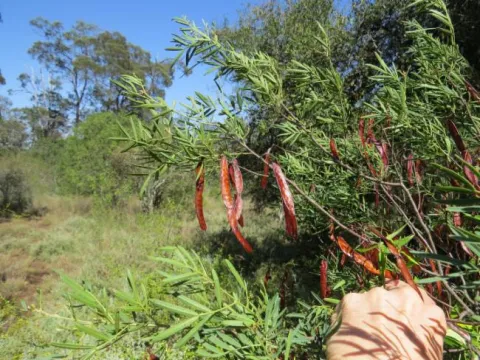
Cassia coronilloides
Cassia coronilloides
Cassia coronilloides is a perennial shrub belonging to the Fabaceae family. In its native habitat, the germination cycle typically aligns with the onset of the rainy season, providing the necessary moisture to soften the hard seed coat that is characteristic of many legumes.
What the section contains
Cassia coronilloides
In agricultural practice, pre-sowing treatments such as scarification or soaking seeds in warm water are essential to break dormancy and ensure uniform emergence. These methods significantly improve the germination rate and shorten the establishment period for young seedlings.
The timing of sowing must be carefully managed based on local climate conditions, requiring temperatures consistently above 20°C. Since the species is highly sensitive to frost, sowing or transplanting into open ground should only occur after any risk of cold spells has passed.
Planting density is determined by the intended use of the crop, whether for ornamental purposes, erosion control, or biomass production. Proper spacing allows for adequate airflow and light penetration, which are vital for the healthy development of each individual shrub.
Initial establishment requires consistent moisture management. While mature plants show significant drought tolerance, young seedlings must have a stable soil moisture level to allow their root systems to anchor deeply into the soil profile.
This crop thrives in well-drained, sandy or loamy soils with a neutral to slightly acidic pH level. Soil drainage is the most critical requirement, as waterlogged conditions quickly lead to root rot and other physiological disorders in Cassia coronilloides.
The plant requires full sun exposure to maintain vigorous growth, maximize flowering, and build up plant biomass. Shaded conditions often result in etiolation, reduced stem strength, and a general decline in the plant's overall health and aesthetic appeal.
Cassia coronilloides is adapted to warm environments and demonstrates good heat resistance. However, like many legumes, it benefits from moderate soil fertility and does not require heavy applications of nitrogenous fertilizers due to its natural nitrogen-fixing capabilities.
Cultural practices include regular soil surface cultivation to manage weeds and improve soil aeration. Maintaining a clear root zone is particularly important during the first few growing seasons to minimize competition for nutrients and water.
Pruning is a beneficial maintenance practice used to manage the plant's shape and stimulate dense branching. By removing dead or overlapping stems after the flowering period, growers can ensure the longevity and productivity of the shrub.
The primary threats to Cassia coronilloides include foliage-feeding insects, such as caterpillars and aphids, which can cause significant damage if populations are not monitored. These pests reduce the photosynthetic capacity of the plant and can stunt growth.
Fungal pathogens, particularly those causing leaf spots or blight, are prevalent in environments with high humidity and poor air circulation. Implementing proper spacing and avoiding overhead irrigation during humid periods are effective cultural controls for these diseases.
Root-knot nematodes can be a limiting factor, especially in lighter, sandy soil conditions. To mitigate this risk, growers should utilize crop rotation and ensure the use of certified, disease-free planting material to prevent soil infestation.
Mechanical damage resulting from improper pruning or equipment usage can create entry points for opportunistic bacteria or fungi. Using sharp, sterilized tools for any necessary pruning is a fundamental hygiene practice in maintaining a healthy crop.
An integrated pest management (IPM) approach is highly recommended. By utilizing biological controls and timely scouting, growers can protect the crop from major damage while minimizing reliance on chemical inputs and maintaining ecosystem balance.