
Bolusanthus
Bolusanthus
Bolusanthus is typically propagated via seeds, which are known for their hard seed coats. Successful germination usually requires scarification of the seeds before planting.
What the section contains

Bolusanthus
Sowing is best performed in a well-draining seed-starting mix. The seeds should be kept in a warm environment to ensure a consistent and healthy germination rate.
Once the seedlings have reached a sufficient size, they should be transplanted into individual containers to allow the root system to strengthen and develop properly.
Seedling growth is generally slow during the initial stages. Patience and consistent monitoring of moisture levels are key to maintaining healthy young plants.
Hardening off the saplings before moving them to their permanent outdoor location is essential to prevent shock from environmental shifts.
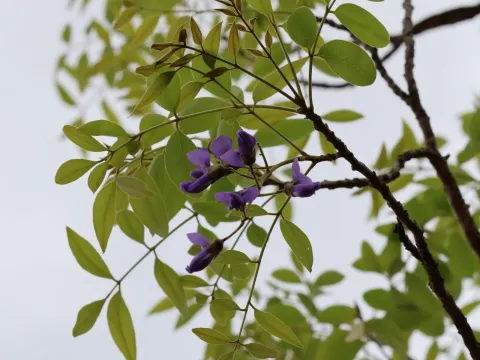
Bolusanthus belongs to the Fabaceae family and is highly valued for its striking, pendant-like violet-blue flower clusters, often referred to as African wisteria.
This tree flourishes in full sunlight, which is necessary to stimulate the prolific flowering that defines the aesthetic appeal of the species.
Soil requirements focus on excellent drainage. While it can adapt to various soil types, loamy, well-drained conditions are ideal for preventing waterlogging.
The climate must be warm, as this species is frost-sensitive and performs best in regions where freezing temperatures are rare or nonexistent.
Watering should be moderate, allowing the soil to dry slightly between sessions. Once established, the tree demonstrates notable drought tolerance in its native environment.
Root rot is the most significant threat to the health of the tree, typically caused by excessive irrigation or soils that fail to drain properly.
Common pests include aphids and scale insects, which can colonize tender new growth and negatively impact the tree's vigor and appearance.
Physical injuries to the bark or root system can serve as entry points for fungal pathogens, which may weaken the tree structure over time.
Preventive maintenance, including the use of appropriate pesticides when necessary, is highly effective in keeping the foliage and branches healthy.
Proper spacing and ensuring good airflow around the canopy are essential strategies to mitigate the risks associated with fungal infections.