
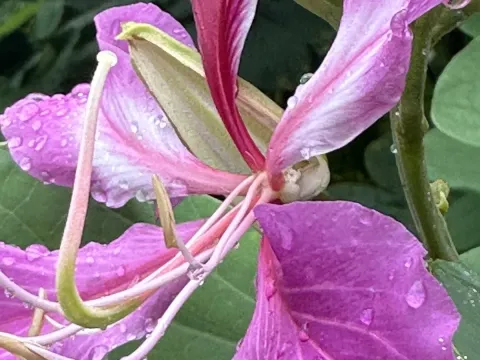
Hong Kong Orchid Tree
Bauhinia blakeana
Bauhinia blakeana, commonly known as the Hong Kong Orchid Tree, is a magnificent evergreen tree belonging to the Fabaceae family. As a sterile hybrid, it does not produce seeds, which necessitates its propagation via vegetative methods such as grafting or air layering, making it a highly valued specimen in horticulture.
What the section contains
Hong Kong Orchid Tree
This species thrives in tropical and subtropical climates, requiring full sun exposure to produce its characteristic vibrant, orchid-like flowers. It is sensitive to frost, which limits its outdoor cultivation to temperate regions, while in colder zones, it is typically managed as a container plant placed in a greenhouse during winter.
The ideal growing medium for this tree is a well-draining, nutrient-rich soil with a slightly acidic to neutral pH level. Proper drainage is critical to preventing root rot, as the plant is sensitive to waterlogged conditions, which can be detrimental to its long-term health and structural integrity.
Maintenance involves routine pruning, which is essential to manage the growth habit and encourage a dense, well-structured canopy. Pruning also helps improve air circulation through the branches, which is vital for preventing the development of humidity-related issues within the dense foliage of the tree.
Fertilization should be scheduled throughout the growing season, using balanced NPK fertilizers to support robust flowering. Additionally, consistent monitoring of water levels during the peak summer heat is necessary to prevent stress, ensuring the plant remains vigorous and aesthetically appealing throughout the year.
The Hong Kong Orchid Tree is prone to infestations by common pests such as aphids, mealybugs, and scale insects, which target succulent new growth. Integrated pest management, including the use of horticultural oils and systemic insecticides, is recommended to keep pest populations under control.
Pathogenic threats include various fungal leaf spots and root diseases often triggered by excessive humidity or poor soil drainage. Keeping the planting site clean, removing fallen debris, and ensuring the tree is not overcrowded are effective preventative measures against fungal outbreaks.