
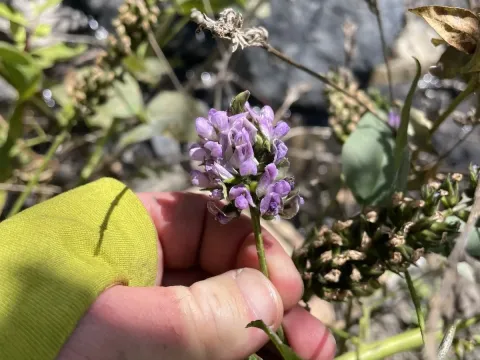
Hoita
Hoita
Hoita is a genus of perennial herbaceous plants belonging to the Fabaceae family, native primarily to the western regions of North America.
What the section contains

Hoita
These plants are well-adapted to Mediterranean-like climates characterized by mild, wet winters and warm, dry summers, which influence their growth cycles.
Regarding soil requirements, Hoita thrives in well-drained, sandy, or loamy soils that provide adequate aeration to prevent root rot issues.
The plants are generally hardy and can tolerate drought conditions once they have established a deep and robust root system in the field.
Agricultural management should prioritize minimal irrigation to avoid waterlogged conditions, as the species is highly sensitive to excessive moisture.
The primary threats to the cultivation of Hoita include various fungal pathogens that can develop during periods of high humidity or poor soil drainage.
Insect pests, such as weevils or aphids, represent a common challenge that can affect both the foliage and the reproductive organs of the plant.
Seed-feeding insects often cause significant damage during the maturation phase, which is a limiting factor for seed production efficiency.
Integrated pest management strategies focusing on early detection and physical barriers are recommended to protect the integrity of the stand.
Maintaining a healthy crop also requires selecting sites with excellent sun exposure and natural drainage to minimize the risks of disease outbreaks.