
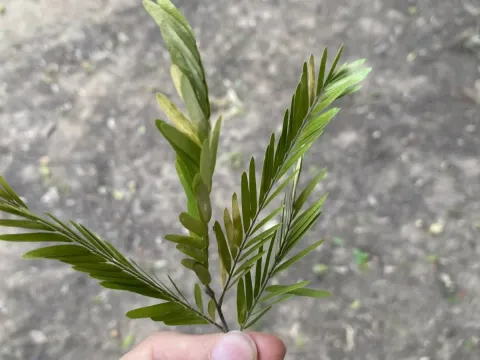
Holocalyx
Holocalyx
Holocalyx is a genus of trees within the Fabaceae family. This species is known for its ecological resilience and plays a significant role in its native habitats, often serving as a key component of the local forest structure.
What the section contains


Holocalyx
Regarding growth requirements, Holocalyx thrives best in well-drained, nutrient-rich soils. It requires sufficient sunlight to ensure optimal photosynthesis and steady vertical growth throughout the primary development stages.
The climate requirements for this genus are focused on high thermal stability. Being a heat-loving species, it performs exceptionally well in subtropical environments where the risk of deep frost is minimal or non-existent.
Botanical characteristics include distinctive foliage and a strong, dense wood structure. The biological evolution of the species has equipped it with mechanisms to survive in various moisture regimes, provided that soil drainage remains adequate.
In terms of agricultural and forestry utility, Holocalyx is valued for its high-quality timber and environmental benefits. It is often planted to prevent soil erosion and to restore canopy cover in managed forest areas.
The main threats to Holocalyx plantations are root-related diseases caused by waterlogged soil. Poor drainage conditions quickly lead to fungal decay, which can irreversibly damage the root system of mature trees.
Insect pests, particularly borers and wood-eating beetles, represent a serious risk to the health of the tree. These insects create galleries in the bark and sapwood, which drastically weaken the structural integrity of the trunk.
Nutrient deficiencies, particularly involving trace elements like manganese, can lead to foliage discoloration and slowed growth. Periodic soil supplementation is recommended to maintain the vigor of the plantations.
Weed competition during the seedling phase is a major challenge that can lead to high mortality rates if not addressed. Mulching and mechanical weeding around the base of the plant are standard practices.
Climate change and shifting rainfall patterns are increasingly affecting the natural range of the species. Sustainable forest management practices are crucial for the long-term conservation of Holocalyx populations.