
Astragalus pelecinus
Astragalus pelecinus
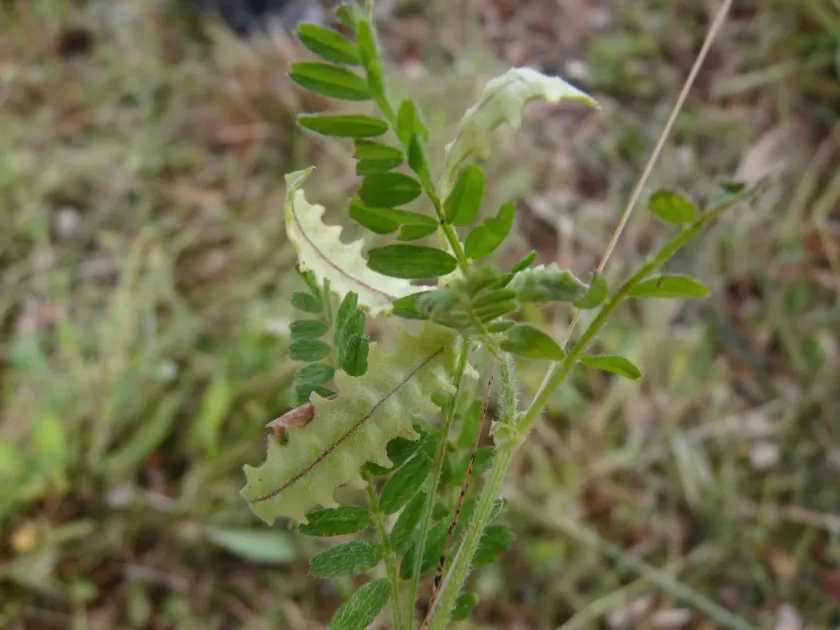
Description
Sowing dates
Astragalus pelecinus, a member of the Fabaceae family, is an annual legume that displays remarkable resilience in various agricultural environments, particularly in arid regions.
Sowing should ideally take place in early spring once soil temperatures reach 8–10°C, ensuring that the seeds have the best conditions for germination and early establishment.
Planting is carried out using traditional row drilling methods with a row spacing of approximately 20–30 cm, allowing for optimal density and resource allocation among the plants.
A seeding depth of 2–3 cm is recommended to protect the seeds from desiccation while providing sufficient contact with soil moisture for effective seedling emergence.
Early-stage management is crucial; keeping the field free from weeds allows the slow-growing seedlings of Astragalus pelecinus to establish a strong root system without competition.
Growing requirements
This crop thrives in well-drained, sandy-loam soils and demonstrates excellent tolerance to poor soil quality, provided there is adequate aeration for the root system.
Water requirements are modest due to its inherent drought tolerance, making it an excellent candidate for regions where water resources are restricted or unreliable.
The plant requires plenty of sunlight to maximize its photosynthetic capacity, which directly influences biomass accumulation and nitrogen fixation efficiency.
The optimal pH range for this species is neutral to slightly alkaline, which encourages the development of symbiotic rhizobia on the roots, enhancing overall crop performance.
Fertilization with phosphorus and potassium can be beneficial in deficient soils to support healthy growth and maximize the efficiency of biological nitrogen fixation.
Yield
Astragalus pelecinus is primarily valued as a high-protein forage crop, offering a nutritious feed source for livestock even in challenging environmental conditions.
The biomass yield is heavily dependent on moisture availability during the vegetative phase and the timely implementation of cultivation practices throughout the season.
By harvesting at the correct growth stage, farmers can maximize the nutritional content of the forage, providing essential minerals and proteins to their animals.
The seeds of this species are also considered valuable for re-seeding purposes, ensuring the sustainability of forage production for the following growing cycles.
Integrating this crop into rotation cycles helps improve soil structure and fertility, providing a dual benefit of feed production and soil health management for agricultural systems.
Main diseases and pests
The primary risks to Astragalus pelecinus include various root rot diseases, which typically develop in waterlogged soil conditions or during periods of prolonged cold, damp weather.
Powdery mildew can occur in humid environments, potentially damaging leaves and reducing the photosynthetic surface area, thus impacting the overall growth and health of the crop.
Pests such as pea leaf weevils can pose a threat, as they feed on foliage and can damage the root nodules, negatively affecting the plant's nitrogen-fixing capabilities.
Aphids can infest the upper parts of the plants, causing stunting and yellowing, so consistent monitoring is necessary to prevent significant yield losses during the vegetative stage.
Implementing strict crop rotation protocols is the most effective way to manage these threats, as it prevents the buildup of soil-borne pathogens and specialized pests in the field.
Harvesting
For forage production, the optimal harvest time is during the full flowering stage, which ensures the best balance between biomass quantity and nutritional quality.
If the objective is seed production, harvest should be delayed until the seed pods are fully mature, while taking care to avoid shattering and seed loss during the operation.
Direct combining is the standard method for harvesting the seeds, requiring calibrated settings to minimize mechanical damage to the seeds and ensure a clean final product.
Proper post-harvest drying is essential to reduce seed moisture to 12-14%, which is necessary to prevent spoilage and ensure longevity during storage for future planting.
Any remaining plant material after harvest can be incorporated into the soil as green manure, providing a natural boost of organic matter and nutrients for subsequent crops.