
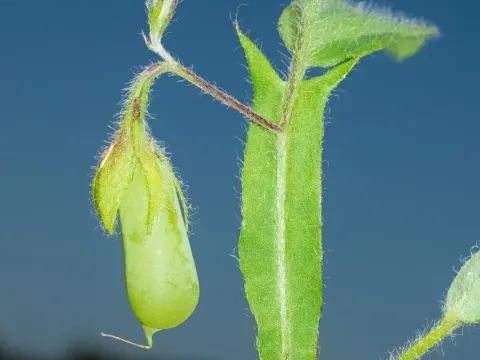
Arrowhead rattlebox
Crotalaria sagittalis
Arrowhead rattlebox (Crotalaria sagittalis) is a member of the Fabaceae family, often recognized for its role in ecological restoration. This annual legume is native to North America and displays a high degree of adaptability to nutrient-poor, sandy environments where other crops often fail.
What the section contains
Arrowhead rattlebox
The plant requires full sun exposure and well-drained soils to thrive. It is highly intolerant of waterlogged conditions, which can lead to root degradation. A neutral soil pH is preferred, though the plant shows some tolerance to slightly acidic substrates typical of its natural range.
Agrotechnical practices should focus on maintaining optimal plant spacing to promote airflow and prevent moisture accumulation. Deep cultivation before sowing is essential to allow the plant's taproot to penetrate compacted soil layers, effectively improving overall soil structure.
Crotalaria sagittalis is known for its nitrogen-fixing capabilities, forming symbiotic relationships with specific soil bacteria. This biological process enhances the fertility of the surrounding soil, making it a valuable candidate for green manure and soil conservation programs.
For successful growth, temperature requirements are relatively high, matching summer growing seasons. Once established, the plant shows moderate drought tolerance, although consistent moisture during the early vegetative stage is beneficial for biomass accumulation.
The primary threats to Crotalaria sagittalis are fungal pathogens, specifically root rot, which are exacerbated by poor soil drainage. Maintaining proper soil moisture levels is the most effective preventative measure against these soil-borne diseases.
Pest pressure is often linked to aphid infestations that feed on the soft tissues of the plant. These insects not only damage the plant physically but also serve as potential vectors for various plant viruses, necessitating diligent field monitoring.
Seed-feeding insects, such as weevils, can significantly diminish seed viability. Farmers focusing on seed production must implement integrated pest management strategies to protect the crop during the pod maturation phase.
It is crucial to note that the plant contains pyrrolizidine alkaloids, which are toxic to livestock if ingested in large quantities. This makes the species unsuitable for grazing purposes and requires careful management near pastures.
Weed competition is a significant concern during the initial weeks of development. Mechanical cultivation in the inter-row spaces is recommended to minimize nutrient competition and ensure the crop establishes dominance early in the growing season.