
Ash-grey broom
Genista cinerea
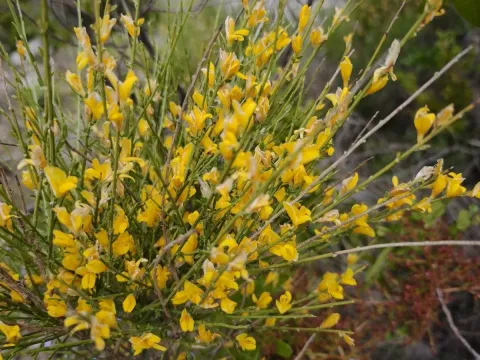
The ash-grey broom (Genista cinerea) is a deciduous woody shrub belonging to the Fabaceae family. Known for its slender, greyish-green branches and bright yellow flowers, it can grow up to 3 meters in height, providing a spectacular visual display during the flowering season.
What the section contains
Ash-grey broom
Originating from the Western Mediterranean region, this plant has evolved to thrive in hot, dry, and rocky environments. Its natural habitat includes steep slopes and Mediterranean scrublands, making it perfectly adapted to semi-arid conditions.
Climate requirements for Genista cinerea include a preference for full sun and protection from strong, freezing winds. While it is relatively hardy, it performs best in regions with mild winters and long, sunny growing seasons.
The species is highly specialized for well-drained, nutrient-poor soils. It thrives in gravelly or sandy substrates and is particularly tolerant of lime-rich soils. Heavy, water-retaining soils are unsuitable and should be improved with drainage materials.
As a legume, the ash-grey broom possesses the ability to fix nitrogen from the atmosphere through symbiotic bacteria in its roots. This biological trait allows it to flourish in conditions where other plants might struggle due to a lack of available nutrients.
The most significant threat to the ash-grey broom is root rot, typically caused by waterlogged soil conditions. Ensuring the planting site has excellent percolation is the primary method of preventing fatal fungal infections.
Aphids can frequently infest the soft, young growth during the spring season. While these pests rarely kill a mature shrub, they can significantly reduce the quality of the foliage and stunt development if left untreated.
Powdery mildew is another common concern, especially in areas with stagnant air or high humidity. Encouraging proper air circulation through judicious pruning and selecting open sites helps to keep the plants healthy and resistant.
Spider mites are known to attack the foliage during prolonged droughts if the plant is under excessive water stress. Maintaining minimal but adequate moisture during extreme heat can help the plant defend itself against mite populations.
For large-scale or ornamental plantings, regular monitoring for leaf-feeding beetles is recommended. Early intervention with suitable pest management practices ensures the longevity and visual impact of the broom shrubbery.