
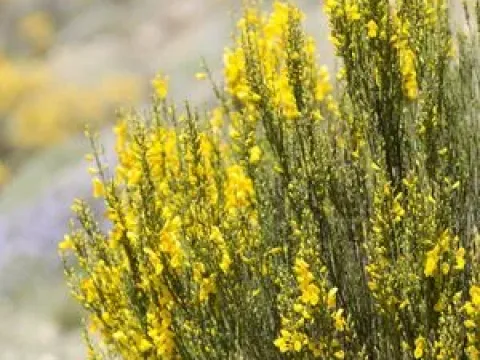
Ashy broom
Genista cinerascens
Genista cinerascens, known as ashy broom, is a perennial shrub belonging to the Fabaceae family. It is distinguished by its silvery-grey pubescent stems, which provide a unique aesthetic appearance to the landscape.
What the section contains
Ashy broom
Originating from the Iberian Peninsula, this species is well-adapted to Mediterranean environmental conditions. It is typically found in dry, stony environments where it can withstand significant periods of drought and high solar radiation.
The culture thrives in well-draining soils with a neutral to slightly acidic pH. Agricultural success depends on avoiding waterlogging, as the root system of this plant is highly sensitive to hypoxia caused by excessive soil moisture.
Optimal growth is achieved in full sun exposure. The plant requires minimal fertilization, as it is naturally adapted to nutrient-poor soils, which makes it an excellent candidate for low-maintenance garden projects and soil erosion control.
Beyond its ornamental value, Genista cinerascens serves as a significant source of nectar for pollinators. Its ability to thrive in challenging, degraded sites highlights its importance in ecological restoration efforts in its native range.
The primary threats to ashy broom involve fungal infections triggered by inadequate drainage. Root rot is the most common issue, typically leading to the rapid decline of the plant when soil moisture levels exceed recommended thresholds.
Pest pressures primarily include aphids, which may cluster on young, tender growth during the spring season. These infestations can stunt plant growth if not managed through proper sanitation or targeted biological controls.
Occasional defoliation by lepidopteran larvae may occur in high-density populations. Monitoring during the growing season is advised to determine if intervention is necessary to preserve the plant's decorative integrity.
Weed competition is a significant concern for younger, less established specimens. Weeds can create a humid microclimate around the base of the plant, which inadvertently encourages the growth of pathogenic fungi.
Maintaining a healthy, well-ventilated planting site is the best cultural practice to prevent pest and disease outbreaks. Avoiding overhead irrigation further reduces the risk of foliar fungal pathogens common in moist conditions.