
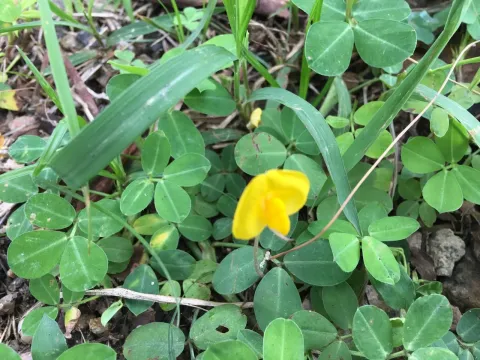
Arachis duranensis
Arachis duranensis
Arachis duranensis is a wild representative of the Arachis genus and is not cultivated as an agricultural crop on a commercial scale. In research stations or botanical gardens, seeds are sown in spring once the soil warms up to temperatures above 18–20 degrees Celsius.
What the section contains
Arachis duranensis
The planting depth is usually 3–5 centimeters, which ensures optimal contact with moist soil for successful germination. It is important to provide a loose soil structure so that the taproot can develop without resistance during the initial growth phase.
For laboratory and field propagation, this species requires a long frost-free period of at least 120–140 days. In experimental conditions, sowing is performed in well-aerated plots, as the species is sensitive to waterlogging.
Special attention is paid to seed material preparation, which requires stratification or the removal of the pod shell to overcome natural dormancy. The use of growth stimulants during sowing increases the germination rate of these wild forms.
Planting density in breeding programs is generally lower than that of cultivated peanuts, as the plant tends to spread significantly and produce long runners. This spacing is necessary for the proper development of pods underground.
This species originates from the foothills of South America, specifically in regions of Bolivia and Argentina, where the climate is defined by distinct dry and wet seasons. It is adapted to sandy and loamy soils with low organic matter content.
The plant has high requirements for solar radiation: Arachis duranensis needs intense sunlight throughout the entire day for proper development. Shading leads to excessive stem elongation and a sharp decrease in the formation of gynophores.
The optimal temperature range for vegetation is between 25 and 30 degrees Celsius. The plant is extremely sensitive to nighttime temperatures dropping below 10 degrees, which can halt growth processes and lead to the death of young ovaries.
Soils must be well-drained, with a neutral or slightly acidic pH. Excessive clay content hinders the penetration of gynophores into the soil, which is a critical process for pod formation in all members of the Arachis genus.
Arachis duranensis is highly drought-tolerant compared to domestic varieties; however, during the flowering and pod-filling stages, it requires moderate and regular irrigation to ensure reproductive success.
The main biological threats to this species are fungal diseases, such as leaf spot (Cercospora) and various rusts, which develop in high humidity. In its natural environment, the plant possesses inherent resistance to many pathogens.
Insect pests, including spider mites and leaf beetles, can cause significant damage to the foliage during dry periods. Intensive cultivation requires regular monitoring of the crop's health status.
Nematodes can parasitize peanut roots, especially when grown in monoculture on light soils. This creates infection risks that necessitate the practice of crop rotation even in experimental settings.
Viral diseases transmitted by aphids pose a danger when grown in close proximity to infected wild legumes. Isolation of experimental plots is a key strategy for protecting this valuable genetic material.
Mold growth on pods within the soil due to waterlogging during the maturation phase is another concern. This can lead to the loss of seed stock, which is highly valued as a source of genes for developing resilient varieties.