
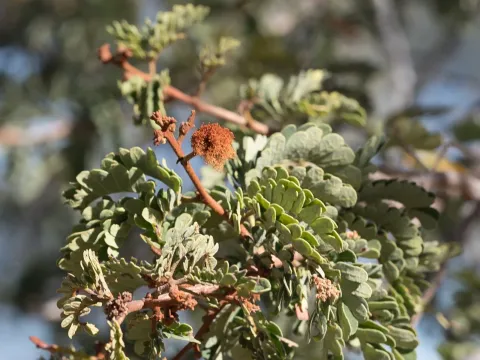
Archidendropsis
Archidendropsis
Archidendropsis is a genus of flowering plants in the legume family, Fabaceae. These species are native to Australia, New Guinea, and various Pacific islands, where they play a significant role in tropical forest ecosystems as nitrogen-fixing trees.
What the section contains

Archidendropsis
The plant requires a tropical or subtropical climate characterized by high temperatures and sufficient annual precipitation. It thrives in humid conditions and is typically found in primary or secondary rainforests, adapting well to diverse ecological niches.
Regarding soil requirements, Archidendropsis species are generally versatile, showing tolerance to various textures ranging from sandy soils to heavier loams. They perform best in well-drained environments where root aeration is maintained to support symbiotic bacteria.
Light intensity plays a critical role in the growth architecture of these trees. While young plants may tolerate partial shade in the understory, plantation-grown specimens require direct sunlight to maximize the development of the crown and overall biomass production.
Standard agronomic management involves monitoring soil moisture and managing vegetation around young saplings. Proper spacing is essential to ensure adequate airflow and light penetration, which helps in preventing fungal issues and promoting healthy vertical growth.
The primary economic value of Archidendropsis lies in its timber production. The wood is often characterized by its durability and attractive appearance, making it suitable for high-quality furniture, interior finishes, and artisanal woodwork.
Beyond timber, the species contributes to agricultural sustainability through soil enrichment. Its ability to fix nitrogen makes it a valuable candidate for agroforestry systems, where it improves soil health for associated crops while providing structural stability to the land.
Research into the yield capacity of Archidendropsis indicates that biomass accumulation is significantly influenced by silvicultural practices such as selective thinning and fertilization. Optimizing these factors can reduce the rotation time for commercial harvesting.
In environmental restoration projects, the species is utilized for reforestation due to its rapid growth rate and ability to colonize degraded soils. By restoring ground cover, it prevents erosion and creates microclimates that support local biodiversity.
Harvesting techniques should prioritize sustainability, ensuring that the remaining stands are healthy and capable of natural regeneration. Implementing efficient logging practices maximizes output while maintaining the ecological integrity of the planting area.