
Arachis villosulicarpa
Arachis villosulicarpa
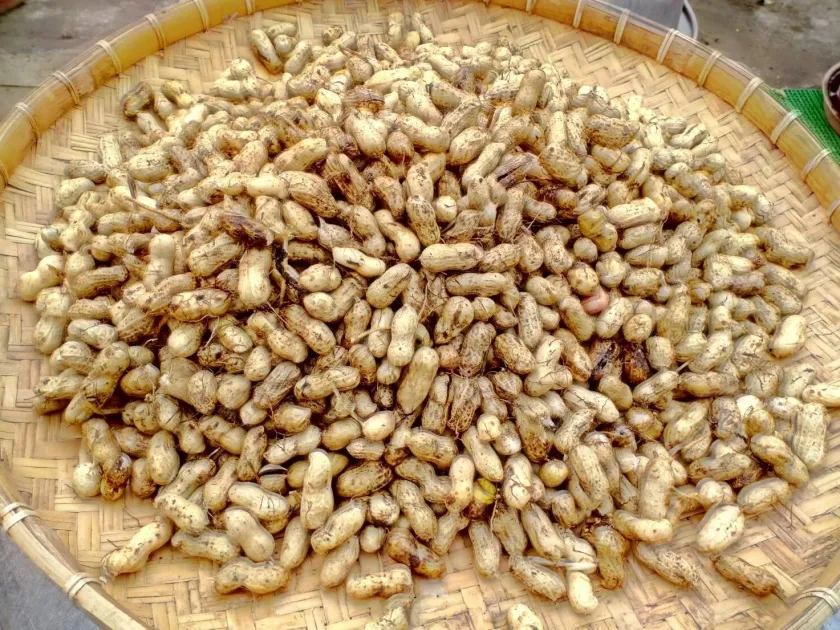
Description
Sowing dates
Arachis villosulicarpa belongs to the Fabaceae family and is a specialized legume species native to the Amazon basin. Unlike the common peanut, its cultivation is largely localized and historically tied to the traditional agricultural practices of the indigenous Amazonian populations.
Planting typically aligns with the onset of the rainy season, as the seeds require consistent moisture for successful germination. The traditional method involves sowing in clearings within forest zones, which provides a suitable microclimate for early plant development.
The crop requires sustained high temperatures throughout the growing period. An optimal range between 25 and 30 degrees Celsius is necessary to ensure vigorous vine growth and proper development of the underground fruiting structures.
Soil requirements focus on light, well-draining structures. Waterlogging is detrimental, as it encourages fungal growth and inhibits the penetration of the peg (gynophore) into the ground, which is essential for fruit formation.
Agricultural management involves manual weeding, especially during the early growth stages, as the plant is sensitive to competition from aggressive tropical weeds. Maintaining soil friability is a key factor in successful production.
Growing requirements
This species thrives in high light conditions and requires adequate moisture throughout the life cycle. While it is adaptable to moderate soil fertility, it relies on symbiotic nitrogen-fixing bacteria within its root system to thrive.
Botanically, the species is defined by its characteristic hairy pods, which distinguish it from other Arachis species. The plant typically features a prostrate growth habit, requiring significant spacing between individual clusters.
In terms of хозяйственного (economic) use, the plant is primarily harvested for local consumption. The seeds are valued for their nutritional profile, being rich in vegetable protein and essential fatty acids, typically consumed roasted or boiled.
Conservation of genetic diversity for this crop is paramount, as its resilience in tropical ecosystems offers potential value for future breeding efforts aimed at climate-resilient legumes.
The plant lacks the intensive selection history of the common peanut, meaning it retains many wild traits that make it highly suited to its specific geographic niches within the Amazonian ecosystem.
Main diseases and pests
The primary threats include fungal diseases affecting the root and pod system, which are exacerbated by high humidity and poor soil aeration. Preventing pod rot requires strict attention to drainage and harvest timing.
Soil-dwelling pests represent a significant challenge, as they can breach the pod shell, allowing for secondary pathogens to enter. Managing these pests in tropical settings often relies on biological controls rather than chemical pesticides.
Weed competition is particularly intense during the first weeks of growth. If not managed properly, weeds can stunt the development of the gynophores, leading to a drastic reduction in final yields.
Vertebrate pests, such as rodents and birds, can cause substantial damage to maturing pods if protection measures are not employed. Traditional methods like site monitoring are often used to mitigate these losses.
Given the lack of specialized commercial research, producers rely on preventive strategies such as crop rotation and intercropping to minimize disease pressure and soil nutrient exhaustion.
Harvesting
Harvesting is initiated when the aerial parts of the plant begin to yellow and senesce. Since the pods develop underground, careful mechanical or manual extraction is required to avoid fracturing the pods and exposing the seeds.
Immediate post-harvest processing is critical in tropical conditions. The pods must be dried under sheltered, well-ventilated conditions to reduce moisture content quickly and prevent spoilage by molds or bacteria.
Storage requires cool, dry conditions with adequate protection against insects and rodents. Traditionally, this is managed by using storage containers that allow for continued air circulation.
Determining maturity involves a combination of observing leaf senescence and performing sample digs to verify that the pods are fully filled and have developed their characteristic surface texture.
While the overall yield of Arachis villosulicarpa is lower than that of industrial peanut varieties, its local importance remains high due to its adaptation to indigenous cultivation methods and local soil conditions.