
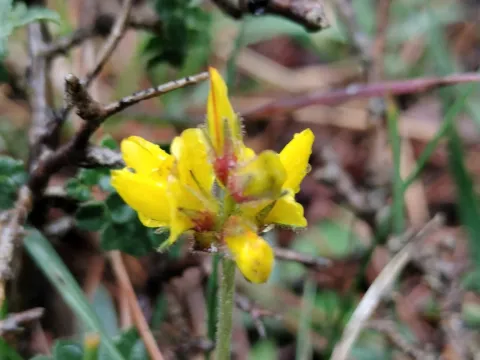
Aragon restharrow
Ononis aragonensis
Aragon restharrow (Ononis aragonensis) is a perennial subshrub belonging to the Fabaceae family. This species originates from the mountainous regions of Southwestern Europe, primarily adapted to rocky, calcareous landscapes and Mediterranean-influenced environments.
What the section contains
Aragon restharrow
The plant thrives in well-drained, alkaline soils. Its root system is exceptionally sensitive to waterlogging, requiring substrates with high permeability to prevent root rot and ensure healthy development throughout the vegetative season.
Aragon restharrow is a xerophytic plant, demanding full sun exposure and excellent air circulation. It excels in harsh conditions where nutrient levels are low, displaying remarkable resilience to summer droughts that would inhibit many other crops.
Agronomically, weed control is essential for this species. Given its relatively slow initial growth rate, it cannot effectively compete with aggressive grasses or invasive weeds, necessitating manual weeding or strategic site selection during the planting phase.
The species is highly valued in horticulture for its aesthetic appeal during the flowering period. Beyond ornamental use, it serves ecological purposes, such as soil stabilization on slopes, helping to prevent erosion in rocky habitats.
The primary threats to Aragon restharrow cultivation include various soil-borne pathogens. Excessive soil moisture is the leading cause of crown and root rot, which can quickly prove fatal to established stands of this subshrub.
Insect pests such as weevils represent a significant risk. These pests frequently target the roots and foliage, causing structural damage that reduces the vigor of the plant and leaves it vulnerable to secondary infections.
Powdery mildew may occur in poorly ventilated environments with high relative humidity. Maintaining adequate spacing between plants is a critical cultural practice to facilitate drying and prevent the spread of fungal spores across the field.
Gastropods, particularly slugs, pose a seasonal threat to young shoots during humid spring months. Monitoring programs are necessary to prevent defoliation that can severely impact the plant's ability to store energy for the subsequent dormant season.
Improper fertilization, especially the overuse of nitrogen-based compounds, can destabilize the plant's natural resistance mechanisms. Maintaining a balanced nutrient profile is essential for the long-term health and survival of this leguminous crop.