
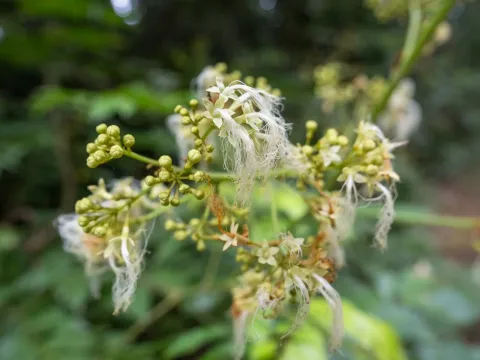
Archidendron
Archidendron
Archidendron is a genus of tropical trees and shrubs belonging to the Fabaceae family, comprising approximately 100 species. These evergreen plants are known for their intricate, compound leaves and showy, often feathery flowers that add value to tropical ecosystems.
What the section contains
 Archidendron bigeminum
Archidendron bubalinum
Archidendron bubalinum
Archidendron bigeminum
Archidendron bigeminum
Archidendron bubalinum
Archidendron bubalinum
 Archidendron clypearia
Archidendron clypearia
Archidendron clypearia
 Archidendron contortum
Archidendron contortum
Archidendron contortum
 Archidendron ellipticum
Archidendron ellipticum
Archidendron ellipticum
 Archidendron grandiflorum
Archidendron grandiflorum
Archidendron grandiflorum
 Archidendron jiringa
Archidendron kerrii
Archidendron kerrii
Archidendron jiringa
Archidendron jiringa
Archidendron kerrii
Archidendron kerrii
 Archidendron lucidum
Archidendron lucidum
Archidendron lucidum
 Archidendron lucyi
Archidendron nielsenianum
Archidendron nielsenianum
Archidendron lucyi
Archidendron lucyi
Archidendron nielsenianum
Archidendron nielsenianum
 Archidendron pauciflorum
Archidendron pauciflorum
Archidendron pauciflorum
Archidendron
The plant requires a tropical or subtropical climate characterized by high humidity and consistent warmth. It thrives in sunny locations, though young specimens often benefit from partial shade to protect them from intense, direct solar radiation during the hottest hours.
Optimal temperatures for Archidendron development range between 22 and 30 degrees Celsius. The species is highly intolerant of freezing temperatures and frost, which can cause significant damage or lead to the total death of the tree's aerial parts.
Soil requirements focus on fertility, depth, and excellent drainage. The plants perform best in well-drained loamy soils with a neutral to slightly acidic pH, and they are particularly sensitive to waterlogged conditions that can cause root suffocation.
Cultivation practices involve regular irrigation during dry spells and periodic applications of organic fertilizers to maintain soil nutrient levels. Some species, notably Archidendron pauciflorum, hold agricultural importance due to their edible seeds, which are a traditional food source in Southeast Asia.
Fungal infections, particularly root rot, pose the greatest threat to Archidendron plantings, especially in environments with stagnant water or poor air circulation. These pathogens can rapidly compromise the vascular integrity of the plant.
Insect pests, such as wood-boring beetles and various larvae, can cause significant structural damage to the trunk and branches. Defoliating insects also present a risk, especially during periods of new leaf development in the growing season.
Integrated pest management strategies, including the use of fungicides and systemic insecticides, are recommended for large-scale cultivation. Maintaining plantation hygiene is essential to prevent the spread of diseases between individual trees.
Early detection of pest infestation is crucial; regular scouting of the canopy and trunk helps to mitigate damage. Where possible, the use of biological control agents is encouraged to maintain a balanced and healthy orchard ecosystem.
Pruning is a vital horticultural practice for this genus, as it enhances airflow through the canopy and reduces the prevalence of damp microclimates where fungi thrive. Well-maintained trees exhibit higher resilience against both biotic and abiotic stressors.