
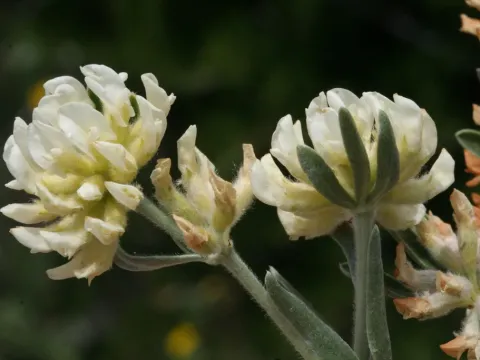
Jupiter's beard
Anthyllis barba-jovis
Jupiter's beard (Anthyllis barba-jovis) is a member of the Fabaceae family, prized for its unique foliage and adaptation to harsh environments. Sowing should be performed in early spring once soil temperatures are stable.
What the section contains
Jupiter's beard
The seeds of this culture are characterized by a hard seed coat. Scarification is highly recommended to improve the germination rate and ensure uniform emergence in the field.
When sowing, seeds should be placed at a depth of 1–2 cm. Covering the seeds with fine soil or sand helps to maintain moisture levels necessary for initial root development.
Site selection is critical; the crop requires full sun exposure for optimal growth. Shaded environments will cause the plant to become spindly and less resilient.
During the establishment phase, it is essential to keep the area free of competing weeds, as the young seedlings are slow to gain vigor in the first few months.
Native to the Mediterranean, this shrub is naturally adapted to hot, arid climates and can endure prolonged periods without supplemental irrigation once established.
Excellent soil drainage is a non-negotiable requirement. The species is highly susceptible to root rot if the substrate remains waterlogged for even short periods.
The plant thrives in calcareous, stony, and sandy soils. It is remarkably tolerant of high alkalinity and salt exposure, which makes it suitable for maritime cultivation.
Temperature tolerance is a hallmark of this plant, though it should be protected from severe frost if grown in regions outside its natural habitat.
Maintenance needs are low due to its kserophytic nature. Fertilization is generally not required and can sometimes be detrimental by promoting excessive soft growth.
Fungal diseases related to moisture excess are the primary threat. Proper spacing between plants is required to ensure adequate airflow and prevent disease outbreaks.
Aphids can be a recurring issue, particularly during the spring growth flush. They cluster on tender buds, necessitating careful monitoring during the active season.
Leaf-eating insects may cause occasional damage, though the plant's tough, pubescent foliage often acts as a natural deterrent to many common agricultural pests.
Root rot remains the most significant cause of crop failure, almost always linked to poor site preparation and the failure to provide adequate drainage.
To keep the crop healthy, growers should prioritize preventive measures such as ensuring the soil structure is porous and preventing water accumulation during heavy rains.