
Japanese vetch
Vicia japonica
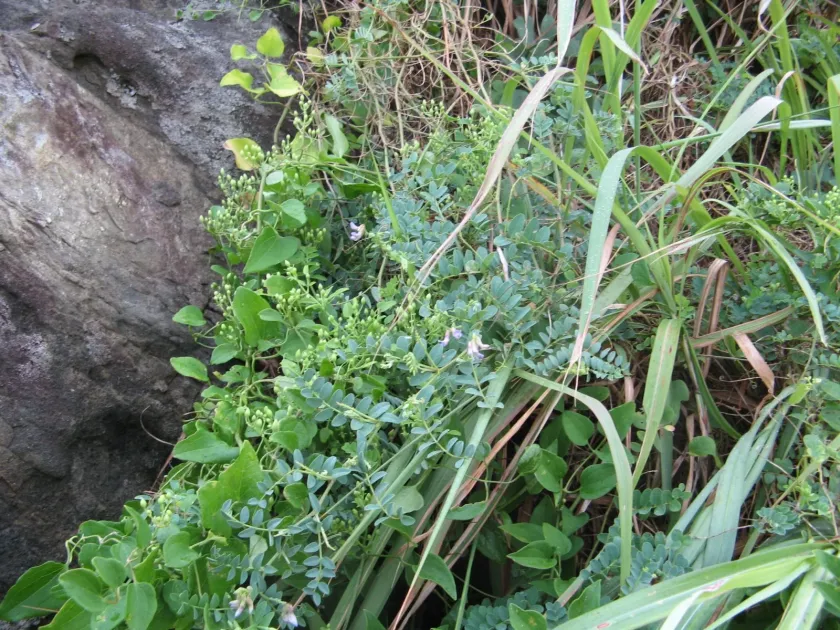
Description
Sowing dates
Japanese vetch is a hardy perennial legume that thrives when sown in early spring as soon as soil temperatures reach 5–8 degrees Celsius, ensuring optimal germination.
The crop is typically established using row or narrow-row drilling methods, with a seeding depth of 2 to 4 centimeters depending on the soil texture and moisture profile.
Successful stand establishment requires consistent soil moisture during the first few weeks, which is critical for the development of a robust root system and nodules.
Seeding rates are adjusted based on seed purity and germination percentage, generally ranging from 80 to 120 kilograms per hectare for dense forage production.
Undersowing Japanese vetch with grain crops is a viable practice that maximizes land utility while providing natural soil nitrogen enrichment for the main crop.
Growing requirements
This species prefers well-structured loam or sandy loam soils with a neutral to slightly acidic pH, which optimizes the symbiotic activity of nitrogen-fixing bacteria.
Japanese vetch is highly responsive to water availability and performs best in regions with sufficient annual rainfall, as it is sensitive to prolonged drought periods.
The plant demonstrates good tolerance to moderate shade, though it reaches its maximum biomass potential when provided with full sunlight throughout the growing season.
Known for its winter hardiness, this legume can endure low temperatures, making it a reliable choice for cultivation in temperate to cool climates across its native range.
Balanced fertilization with phosphorus and potassium is recommended to support deep root growth and enhance the overall vigor of the plants during their active growth phase.
Yield
The biomass yield of Japanese vetch is dictated by soil fertility and environmental conditions; however, it remains a high-value source of protein for livestock feed.
Optimal forage quality is achieved when the crop is harvested during the early-to-mid flowering stage, which ensures a favorable balance of proteins and fibers.
As a green manure crop, it significantly improves soil physical structure and increases nitrogen availability, benefiting subsequent cash crops in the rotation cycle.
Livestock producers value this plant for its palatability and nutritional content, which aids in improving overall animal health and weight gain when used as hay or silage.
Seed production yields are variable and depend heavily on favorable weather conditions during pod development and ripening to prevent premature shattering of the seeds.
Main diseases and pests
The crop is susceptible to common fungal pathogens, including Ascochyta leaf spot and powdery mildew, which are more prevalent in high-humidity or poorly ventilated conditions.
Insect pests, such as aphids and various weevils, can negatively impact biomass production and seed set, necessitating effective scouting and integrated pest management.
Implementing a diverse crop rotation is the primary strategy for minimizing the build-up of soil-borne diseases and breaking the life cycles of target pests.
Seed treatment with high-quality fungicides provides an essential protective layer, significantly improving the survival rate of seedlings in early growth stages.
Field monitoring during the peak of the growing season allows for targeted intervention if pest thresholds are reached, preserving the crop's yield potential.
Harvesting
Harvesting for high-quality forage should be timed to coincide with the peak flowering period before the plants begin to shift significant energy into seed production.
When producing hay, careful management of drying times is crucial to prevent the loss of nitrogen-rich leaves, which are the most valuable part of the plant.
For seed production, harvesting must occur when the majority of pods have turned color but before they reach the point of natural shattering to minimize harvest losses.
The use of modernized harvesting equipment allows for efficient collection of the material while maintaining the viability of the seeds for future planting cycles.
Post-harvest residues, including roots and stubble, contribute to long-term soil health by leaving behind substantial organic matter and sequestered nitrogen for the next crop.