
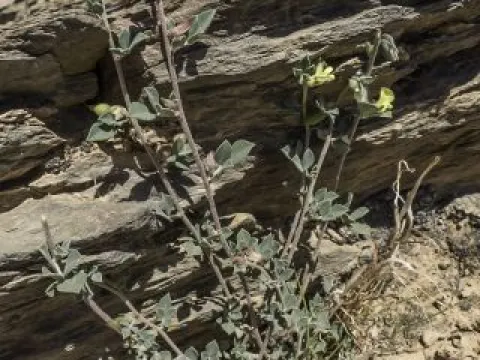
Kebirita
Kebirita
The sowing dates for Kebirita depend directly on regional climatic conditions and soil warming. The optimal time for beginning field operations is when the soil temperature at a depth of 5–10 cm remains stable between +10 and +12 degrees Celsius.
What the section contains

Kebirita
It is important to note that the crop is sensitive to late spring frosts, so sowing too early can lead to damage to young seedlings. In southern regions, sowing often begins in early April, while in northern latitudes, dates shift towards the end of May.
The depth of seed placement varies based on soil texture. In light sandy soils, seeds should be placed deeper, at 4–5 cm, to ensure contact with moist soil, while in heavy clay soils, 2–3 cm is sufficient to facilitate germination.
Maintaining proper plant density is a critical factor for achieving a high yield. The recommended planting pattern ensures optimal nutritional space, preventing competition between individual plants for sunlight and nutrients.
Pre-sowing preparation includes mandatory seed treatment to protect against soil-borne pathogens. Executing tasks within the narrow agrotechnical window allows the plant to form a robust root system before the arrival of summer drought.
Kebirita belongs to the group of sun-loving crops that require intense solar radiation throughout the entire vegetation cycle. Lack of light leads to stem elongation and a significant decrease in overall photosynthetic productivity.
The crop has moderate requirements for moisture, but access to water is critical during the active growth phases and the development of generative organs. It is capable of enduring short-term drought periods thanks to its deep root system.
For successful cultivation, well-drained soils with a neutral or slightly acidic pH are ideal. It is strongly discouraged to plant this crop in waterlogged areas with stagnant moisture, as this provokes root rot.
High yields are achieved by ensuring sufficient amounts of nitrogen, phosphorus, and potassium in a readily available form. Incorporating organic fertilizers during primary tillage significantly improves soil physical properties and water-holding capacity.
In crop rotation, Kebirita is considered an excellent predecessor for cereal crops due to its ability to improve soil structure and leave behind nitrogen-enriched organic residues.
The main pests capable of causing significant damage to Kebirita crops are various species of weevils and wireworms. They damage both the underground parts of young plants and the vegetative mass during the intensive growth period.
Among fungal diseases, gray mold and powdery mildew pose the greatest danger, developing in conditions of high air humidity and poor airflow within the crop stands. Prevention includes maintaining spatial isolation and proper crop rotation.
Field monitoring should be conducted weekly to detect infection hotspots in a timely manner. Upon reaching the economic injury level, it is recommended to apply systemic pesticides according to environmental safety regulations.
Weed control during the early stages of vegetation is extremely important, as Kebirita grows slowly in the first weeks and is easily suppressed by competitors. Inter-row cultivation or the use of selective herbicides are effective methods.
To reduce the risk of disease, breeders are constantly working on creating varieties with enhanced phytopathological resistance. Using certified seed stock is the foundation for protecting future yields.