
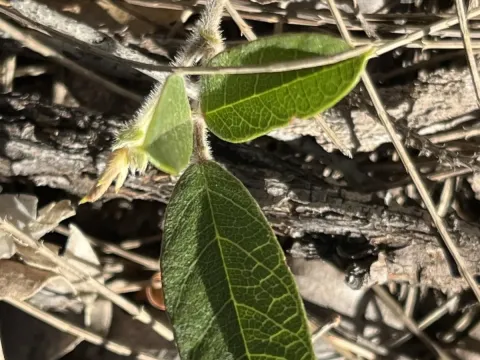
Kennedia
Kennedia
Kennedia is a genus of perennial climbing plants belonging to the Fabaceae family. Propagation is primarily carried out through seeds, which should be sown in late spring when the soil temperature consistently reaches 20–25 degrees Celsius.
What the section contains


Kennedia
The seeds have a hard, impervious seed coat, so scarification or soaking in warm water for several hours is highly recommended to improve germination rates significantly.
Seedlings should be cultivated in a loose, well-draining substrate under bright, indirect light conditions. They are transplanted to their permanent outdoor location once the threat of frost has completely passed.
Vegetative propagation via semi-hardwood cuttings is also a common practice. Cuttings are typically taken in mid-summer and rooted in a sand-peat mixture under high-humidity conditions to ensure success.
Once established, the vines exhibit rapid growth and require space to spread. When planting along trellises or fences, provide a spacing of at least 60–90 cm between individual plants for healthy development.
Native to Australia, Kennedia thrives in full sun but requires protection from harsh, drying winds. It is sensitive to frost, which limits its outdoor cultivation to temperate or tropical climates.
The ideal soil for this crop is fertile, light, and well-drained with a slightly acidic to neutral pH. Proper soil structure is essential as the roots are prone to rotting in stagnant water.
Watering requirements are moderate; while young plants need consistent moisture to establish their root systems, mature plants show good tolerance to brief dry spells once they are fully settled.
As a climbing vine, Kennedia requires sturdy supports such as trellises, wires, or walls. Regular pruning is necessary after the flowering season to maintain shape, remove deadwood, and stimulate vigorous new growth.
In cooler regions, the plant is best grown in containers. This allows the grower to move the vine indoors during winter into a cool, well-lit space where temperatures remain around 10–12 degrees Celsius.
The most common pests affecting Kennedia include aphids and spider mites, particularly when the plants are grown in greenhouse environments or indoor settings with poor ventilation.
Root rot, caused by overwatering or poor drainage, remains the primary pathological threat to the crop. It can lead to the rapid decline of the plant if soil conditions are not immediately corrected.
Integrated pest management, including the use of insecticidal soaps or neem oil, is effective for controlling minor infestations of sap-sucking insects on the foliage.
To prevent fungal diseases like powdery mildew, ensure good air circulation around the canopy and avoid overhead irrigation that keeps the leaves moist for extended periods.
Regular monitoring of the foliage for yellowing or webbing is crucial for early detection of issues, allowing for prompt intervention before the plant's structural health is compromised.