
Julbernardia
Julbernardia
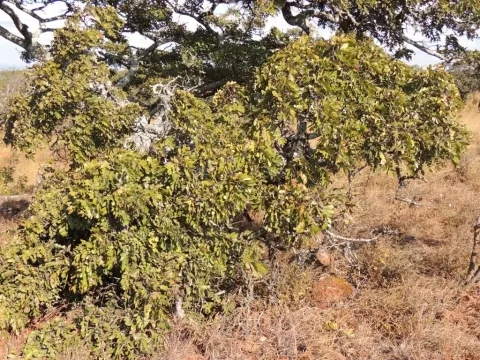
Julbernardia is a genus of evergreen tropical trees belonging to the Fabaceae (legume) family. These plants are essential components of tropical African ecosystems, playing a critical role in structuring forests and savannah woodlands.
What the section contains


Julbernardia
Biologically, this crop thrives in warm and humid tropical climates with distinct seasonal rainfall patterns. In its natural habitat, it performs well in regions with high solar radiation, showing strong adaptability to various soil types, ranging from loamy to stony lateritic soils.
The trees of this genus reach significant heights, possessing a robust root system that enables them to compete effectively for nutrients. The foliage is typically paripinnate, ensuring efficient photosynthesis even under intense tropical sunlight.
A primary requirement for healthy growth is the total absence of freezing temperatures. The plant is extremely sensitive to cold, which restricts its cultivation range to the tropical belt of the African continent.
Economically, Julbernardia is highly valued for its dense, durable wood. It is widely utilized in local construction, tool manufacturing, and as high-quality firewood, owing to its superior caloric content compared to many other local species.
Major threats to the population include anthropogenic pressure, such as illegal logging and land-use change. Natural pests include various wood-boring beetles and tropical insects that specifically target the bark and inner vascular tissues of the trees.