
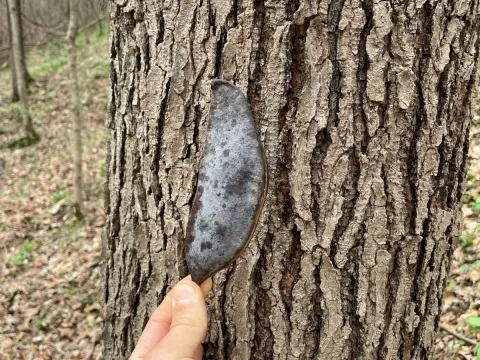
Kentucky coffeetree
Gymnocladus
Propagation of the Kentucky coffeetree (Gymnocladus dioicus) is typically done via seeds or root cuttings. Because the seeds have an extremely hard seed coat, scarification or soaking in boiling water is essential to break dormancy and trigger germination.
What the section contains


Kentucky coffeetree
Seeds are best sown in late autumn for winter stratification in the soil. Spring sowing requires seeds to be stratified in a refrigerated environment for at least two to three months before planting.
Planting depth should be approximately 3–5 centimeters in well-aerated soil. The germination process is slow and requires consistent soil temperature to ensure successful sprout emergence.
Root cuttings can be harvested in the fall and kept in a cool, moist substrate until spring planting. This vegetative method ensures that the young tree retains the exact traits of the parent plant.
Initial seedling growth is relatively slow, as the plant invests significant energy into establishing a deep taproot. Proper weed control is crucial during the first two years of the seedling's life.
As a member of the Fabaceae (legume) family, the Kentucky coffeetree is remarkably adaptable to various soil types. It performs best in deep, fertile, and moist soils but tolerates alkaline, clay-heavy, and even rocky conditions.
This species is highly heliophilic, meaning it requires full sun to develop a dense, healthy canopy. Growing it in shaded environments leads to leggy branches and poor structural development.
Gymnocladus is known for its excellent cold hardiness, surviving in various climatic regions with sub-zero winter temperatures. It is a robust species that requires minimal winter protection once established.
Good drainage is vital to avoid root rot, particularly in heavier clay soils. The tree is also noted for its tolerance to urban environmental stresses, including air pollution, making it a staple in city park landscaping.
During the establishment phase, supplemental watering is necessary during prolonged summer dry spells. However, mature trees develop deep roots and exhibit significant drought resistance.
The Kentucky coffeetree is primarily cultivated for its high ornamental value and durable, dense wood. It is an excellent choice for forestry projects and large-scale public land management due to its longevity.
The wood of this tree is highly valued in fine woodworking and furniture production. It is famous for its durability, resistance to rot, and attractive grain, which makes it a premium timber product.
While not a traditional industrial crop for fast biomass, the long-term yield of high-quality timber makes it an attractive investment. Trees are typically harvested on a multi-decade rotation schedule.
Seeds of the plant have been studied for their potential use in biochemical and pharmaceutical industries. Research into the specific compounds found in the pods continues to be a subject of interest.
Proper pruning and canopy management during the first decade of growth increase the timber value of the tree by promoting a straight, defect-free trunk.
The Kentucky coffeetree is exceptionally resistant to most common forest pests. The specific chemical composition of its tissues acts as a natural deterrent against many insect species.
Disease outbreaks are rare and generally occur only under conditions of extremely poor air circulation or chronic waterlogging. Leaf spots may occasionally appear in unusually humid climates.
Sanitation is the best defense against tree health issues. Removing dead or broken branches promptly prevents the entry of opportunistic fungi and pathogens into the woody tissues.
Preventive fungicidal treatment is rarely needed unless the tree is located in a high-risk microclimate. Keeping the base of the tree clear of debris and excessive weeds reduces pathogen load.
- Maintain a 5–7 meter spacing between trees to ensure adequate airflow.
- Avoid wounding the trunk with landscaping machinery to prevent infections.
- Monitor the canopy for signs of thinning during unusually wet growing seasons.