
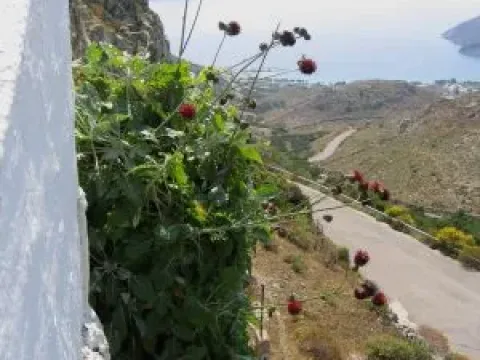
Aegean kidney vetch
Anthyllis aegaea
Aegean kidney vetch (Anthyllis aegaea) is a perennial member of the Fabaceae family. Native to the Aegean region, this plant has evolved to thrive in harsh environments, making it a robust candidate for restoration and agricultural use.
What the section contains
Aegean kidney vetch
The crop is highly adapted to dry, stony, and calcareous soil conditions. Its deep root system allows it to extract water from subsoil layers, providing a significant advantage in regions prone to seasonal drought and moisture deficiency.
In terms of climatic requirements, Anthyllis aegaea prefers high-insolation environments with mild, temperate winters. It is highly resistant to heat stress, but its performance in areas with prolonged high humidity and heavy rainfall is often suboptimal.
Cultivation should focus on well-drained fields. The plant is sensitive to waterlogging, which often leads to root rot and reduced vigor. Soil aeration is essential for optimal nodulation and nitrogen-fixing activity.
From an agronomic perspective, this plant functions as a significant soil improver. By fixing atmospheric nitrogen, it enhances the fertility of impoverished soils and is often recommended for use in cover cropping or green manure systems on arid lands.
The main threats to this crop include fungal infections such as powdery mildew or various root rot complexes. These issues typically emerge during periods of high humidity combined with poor airflow within the canopy.
Common insect pests include weevils and aphids that specifically target the vegetative parts or seed pods. Early detection through regular scouting is vital to prevent economic damage during the flowering season.
Weed competition can be a significant threat during the seedling stage. Once the crop is established, it generally competes well, but initial management of weeds is necessary to ensure uniform development and high stand density.
Maintaining proper spacing between rows is a crucial cultural practice that helps manage humidity and air circulation, significantly reducing the risk of disease outbreaks in the field.
Integrated pest management strategies are recommended, emphasizing the protection of local pollinator populations which are essential for seed production and maintaining genetic diversity within the crop stand.