
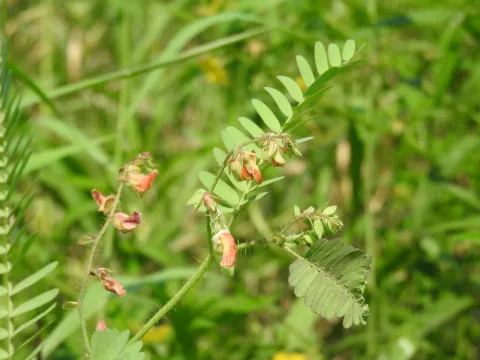
Aeschynomene ciliata
Aeschynomene ciliata
Sowing of Aeschynomene ciliata should be scheduled during the warmer months, ensuring soil temperatures are consistently above 20 degrees Celsius.
What the section contains
Aeschynomene ciliata
Seeds must undergo mechanical or chemical scarification prior to planting to break the hard seed coat and improve overall germination uniformity.
Optimum planting density is critical to balance the competition for sunlight, as the plant exhibits significant branching and biomass accumulation.
Shallow sowing at a depth of 1 to 2 centimeters is recommended to allow for proper oxygenation and prevent the seeds from suffocating in heavy, waterlogged soil.
Maintaining adequate moisture levels during the first two weeks post-sowing is essential to ensure the establishment of a robust root system.
Aeschynomene ciliata is a member of the Fabaceae family, native to tropical regions where it thrives in wetlands and periodically flooded areas.
This species is highly valued for its ability to fix atmospheric nitrogen, significantly contributing to the improvement of soil structure and fertility.
The plant demonstrates excellent physiological adaptations to anaerobic soil conditions, such as the development of aerenchyma tissue within the stems.
It prefers high solar radiation levels, which accelerate the metabolic processes necessary for rapid biomass development in short growing seasons.
Soil requirements are relatively flexible, ranging from acidic to neutral, provided that the moisture availability remains high throughout the growth cycle.
Fungal pathogens such as anthracnose represent the most severe threat, particularly when humidity levels remain high for extended periods during the growing season.
Leaf-feeding insects and various species of weevils can cause significant foliage damage, which directly impacts the plant's photosynthetic capacity.
Root-knot nematodes often pose a hidden danger, stunting plant development and reducing the effectiveness of nitrogen-fixing bacterial nodules.
Viral diseases transmitted by aphids may lead to mosaic patterns on leaves, resulting in reduced yields and diminished quality of the harvested biomass.
Integrated pest management strategies, including the use of trap crops and proper rotation, are advised to mitigate the risk of pathogen build-up in the field.