
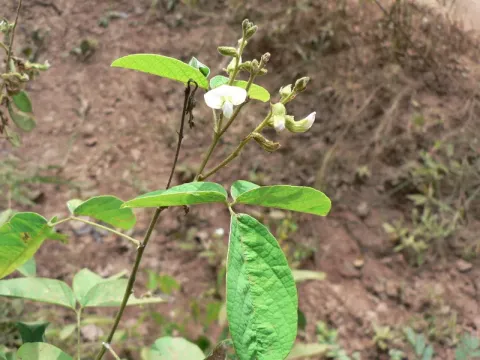
Adenodolichos
Adenodolichos
Adenodolichos is a warm-season crop, and sowing must be timed to coincide with the onset of consistent high temperatures to ensure rapid and uniform germination.
What the section contains

Adenodolichos
In tropical climates, the optimal sowing window is typically at the start of the rainy season, allowing the crop to establish a robust root system before the peak heat.
The seeds are generally planted in rows, ensuring adequate spacing between plants to maximize airflow and minimize competition for nutrients during the peak growth phase.
Planting depth is critical and should be adjusted based on soil moisture levels, usually ranging from 3 to 5 centimeters to protect the seed while providing access to soil moisture.
A well-prepared seedbed that is free from weeds is essential to give the crop a competitive advantage during the initial stages of seedling development.
As a member of the Fabaceae family, Adenodolichos is valued for its hardiness and ability to adapt to varying soil types provided there is adequate drainage.
The crop thrives in full sunlight, which is necessary for the plant's metabolic processes and the development of high-quality biomass or seed yield.
Soil requirements include a preference for well-drained loams, as the species is sensitive to waterlogging, which can trigger root-related physiological stresses.
Adenodolichos has developed mechanisms to withstand short periods of drought, largely due to its deep root architecture that accesses deeper subsoil water reserves.
Maintaining soil pH in the neutral range is optimal for nutrient uptake and supports the symbiotic activity of bacteria that fix nitrogen in the root nodules.
Yield potential is highly dependent on the soil fertility and the frequency of rainfall throughout the growing season, which directly influences the biomass accumulation.
When managed under intensive agricultural practices, Adenodolichos can produce a substantial amount of green matter, making it a viable option for green manure.
Seed yield varies significantly based on cultivar selection and local climatic conditions, requiring careful selection of varieties adapted to the specific region of cultivation.
Proper nutrient management, specifically phosphorus and potassium, can significantly boost the overall productivity and yield stability of the crop throughout the cycle.
Consistent harvest monitoring is recommended to determine the peak maturity of pods, ensuring that seed loss due to shattering is minimized during the harvesting process.
The primary threats to Adenodolichos cultivation include pod-boring insects and aphids that can cause significant damage to the plant's reproductive structures.
Fungal pathogens such as anthracnose and root rot represent the main sanitary challenges, particularly in regions where humidity levels remain consistently high.
Implementing a rigorous crop rotation schedule is an essential agronomic practice to mitigate the build-up of soil-borne pathogens and insect larvae in the field.
Integrated pest management strategies are recommended, focusing on the use of resistant varieties and the manual removal of heavily infested plant tissues.
Monitoring for signs of leaf spot diseases early in the season is crucial to allow for prompt interventions before the infection spreads across the entire field.
Harvesting should be conducted when the pods begin to change color, indicating that the seeds have reached physiological maturity but have not yet begun to shatter.
In large-scale operations, mechanical harvesting may be utilized, provided that the plants have reached a uniform stage of maturation to prevent excessive losses.
Post-harvest handling is critical to ensure the longevity of the seeds, involving thorough drying to achieve the moisture content required for safe storage.
Storage areas must be clean and protected from moisture and pests to maintain seed viability and prevent contamination by storage-related pathogens.
Proper threshing techniques help maintain the integrity of the seeds, reducing the rate of broken or damaged kernels during the initial processing phase.