
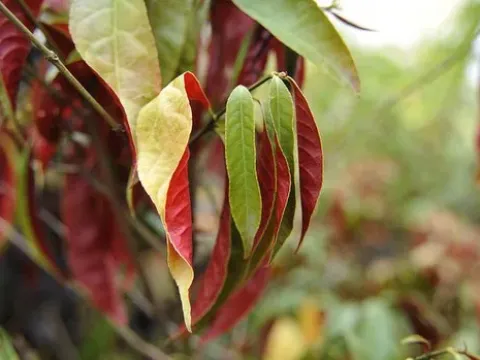
Excoecaria diandra
Excoecaria diandra
Excoecaria diandra is a member of the Euphorbiaceae family, native to tropical regions where it thrives under high-moisture conditions during the growing season.
What the section contains
Excoecaria diandra
In cultivation, seeds are sown in a porous, well-draining substrate at temperatures consistently maintained above 25 degrees Celsius to ensure proper germination.
High relative humidity is crucial during the early stages of development, often requiring greenhouse conditions or plastic covers to maintain microclimate stability.
Vegetative propagation via cuttings is a common practice, provided the cuttings are allowed to callus before being placed in a rooting medium to stop latex leakage.
Seedlings and cuttings should be treated with appropriate fungicides to protect them from opportunistic soil-borne pathogens during the establishment phase.
This species demands a tropical climate, being highly sensitive to cold temperatures and requiring protection from any potential frost or drafts.
The ideal soil profile includes a high organic matter content mixed with sand or perlite, ensuring that the root zone remains aerated and avoids waterlogging.
Excoecaria diandra prefers bright, indirect sunlight, as intense direct exposure can lead to leaf scorch and reduced photosynthetic efficiency.
Irrigation management is critical; the substrate should be allowed to partially dry out between waterings to prevent the development of root rots.
Regular fertilization with a balanced NPK ratio during the active growth period supports the structural development and overall vigor of the plant.
Fungal diseases, particularly leaf spots and root rots, represent the most significant threats to plant health under conditions of excessive humidity.
Pests such as spider mites, scale insects, and mealybugs are known to infest these plants, especially in indoor or greenhouse settings with poor ventilation.
Early detection is vital, and an integrated pest management strategy involving biological controls or targeted insecticides is recommended for large-scale production.
Sanitation practices, including the removal of infected debris, are essential to maintain the health of the crop and prevent the spread of pathogens.
Due to the toxic nature of the plant's latex, laborers must use protective equipment to avoid skin irritation and allergic reactions during maintenance activities.