
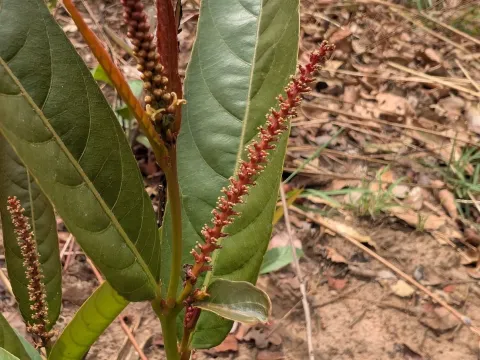
Excoecaria grahamii
Excoecaria grahamii
Excoecaria grahamii is a distinct tropical woody plant belonging to the Euphorbiaceae family. Native to warm, humid regions, it thrives in environments that provide consistent temperatures and protection from cold drafts. As a tropical species, it is not cold-hardy and requires a controlled climate when grown outside its native range.
What the section contains
Excoecaria grahamii
The success of this culture heavily depends on the soil composition. It requires well-draining, nutrient-rich substrates that prevent waterlogging, which is a common cause of root rot. Incorporating organic matter into the soil helps maintain the structure and moisture-holding capacity required for healthy growth.
In terms of environmental conditions, light levels should be carefully managed. The plant prefers bright, indirect light; direct exposure to intense noon sun can lead to leaf scorch and dehydration. Maintaining high ambient humidity is crucial, especially during the active growth phase, to ensure leaf health.
Agrotechnical maintenance includes balanced fertilization programs during the growing season. Providing the plant with adequate macronutrients ensures vigorous development. It is also recommended to monitor moisture levels regularly, as the plant prefers consistently moist but not saturated soil conditions.
The primary use of this plant is in ornamental horticulture. Gardeners and botanic garden curators value it for its structural form. However, like many members of the Euphorbiaceae family, it contains a milky sap that can be irritating to the skin and eyes, necessitating careful handling during maintenance.
Common pests include spider mites and scale insects, which often proliferate in environments with poor air circulation. Effective control measures involve periodic inspections, the use of appropriate systemic insecticides, and maintaining good hygiene around the plant to prevent the spread of infestations.