
Euphorbia valida
Euphorbia valida
Description
Growing requirements
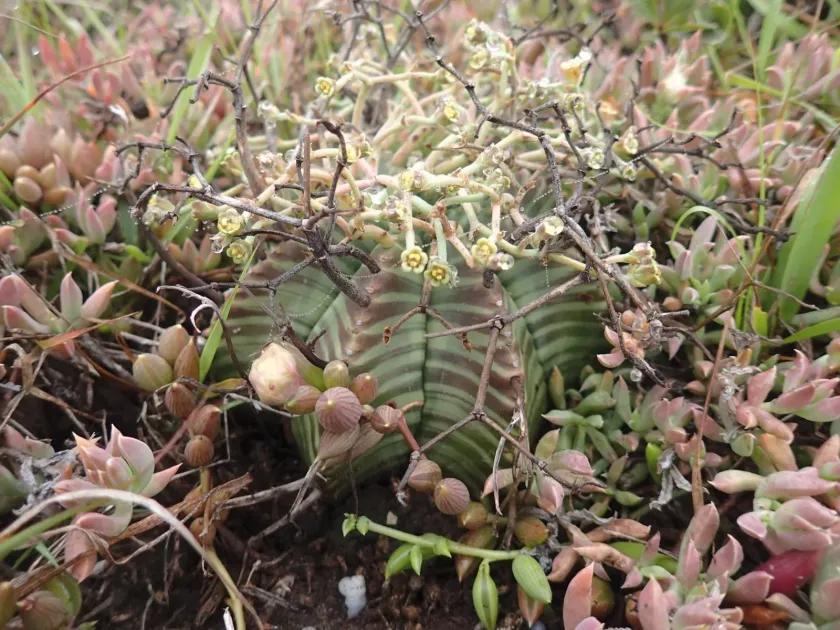
Euphorbia valida is a distinct species belonging to the Euphorbiaceae family. This succulent, native to the Cape Province of South Africa, is highly valued by collectors for its compact, globose, and cactus-like growth habit.
Proper light management is essential for this plant. It requires high light intensity to maintain its characteristic shape and color. In high-latitude regions, supplemental grow lights may be necessary during the winter months to prevent etiolation.
The substrate must be highly inorganic to mimic the rocky terrain of its natural habitat. A standard mix should include coarse river sand, pumice, and a small amount of pumice-based potting soil, ensuring rapid drainage after every watering session.
Climate requirements involve maintaining a warm growing season and a cool, dry dormant period. During winter, keeping the temperature between 10 and 15 degrees Celsius helps the plant transition into a state of rest, which is crucial for future health.
Watering techniques should focus on the soak-and-dry method. During the peak of summer, the plant needs consistent moisture, but it must dry out completely between waterings to ensure roots do not suffocate or develop rot.
Main diseases and pests
The most common threat to Euphorbia valida is stem rot caused by fungal infections. These pathogens thrive in environments where moisture is trapped against the plant's base, especially during low-light conditions.
Root mealybugs are a frequent pest that resides in the root zone, often going undetected until the plant shows signs of severe decline. Periodic inspection of the root ball is recommended for plants kept in pots.
Spider mites are another common challenge, particularly when the ambient humidity is too low. Their presence is marked by fine webbing and discoloration on the surface of the succulent's segments.
Preventive measures include the application of neem oil or systemic insecticides during the active growing season. Ensuring high airflow in the growing area is an effective way to minimize the pressure from various pests.
If rot is detected, surgical removal of the affected tissue followed by proper callousing of the wound is necessary. In severe cases, cuttings might be the only way to propagate and preserve the genetic lineage of the specimen.