
Fontainea
Fontainea
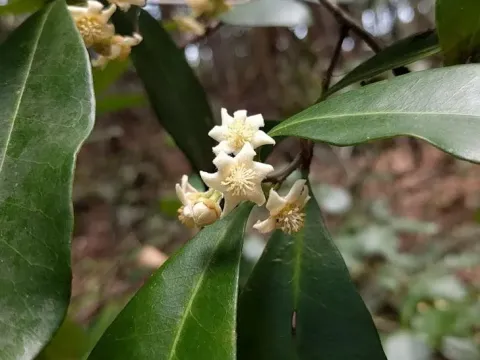
Fontainea is a genus of evergreen trees belonging to the Euphorbiaceae family. These plants are native to the subtropical and tropical rainforests of Eastern Australia and the surrounding Pacific islands.
What the section contains

Fontainea
Cultivation requires fertile, well-draining soil rich in organic matter. They are sensitive to soil aeration and will not thrive in waterlogged conditions, making high-quality drainage essential for plantation success.
The climate must be warm and humid, mimicking the plant's natural environment. Frost is highly detrimental to the development of the trees, so regions with stable year-round temperatures are preferred.
Regarding light, Fontainea trees prefer full sun once established. However, young saplings benefit from partial shade to protect them from direct, harsh solar radiation during the first few years of growth.
Cultural practices include regular mulching to retain soil moisture and prevent competitive weed growth. Pruning is sometimes necessary to maintain the shape of the tree and improve air circulation through the canopy.
The agricultural value of Fontainea is primarily centered on its seeds, which are studied for their chemical properties and oil content.
Yields are currently managed at an experimental level. The tree takes several years to reach maturity, which requires long-term planning for potential commercial orchards.
The fruit is a drupe, and harvesting must be timed carefully to ensure the seeds have reached peak development. Manual harvesting is currently the standard practice for high-value seed collection.
Post-harvest handling involves drying and dehulling the fruits. The efficiency of extraction is a key factor in determining the economic viability of the crop.
Due to the specific environmental requirements, Fontainea is not yet a broad-acre crop, but rather a specialized botanical resource with potential applications in niche industries.
The most common threat to Fontainea is root rot, typically caused by fungal pathogens when the soil stays too wet for extended periods.
Insects such as aphids and various leaf-eating caterpillars can infest the tender new foliage, necessitating routine monitoring and intervention.
Maintaining proper plant spacing is a primary defense against spreading air-borne fungal spores between trees in a dense orchard setting.
Sustainable pest management should include promoting biodiversity around the plantation to encourage natural predators of common crop pests.
Regular sanitation of the orchard, including the removal of dead or decaying fruit on the ground, significantly reduces the pressure from pests and diseases.