
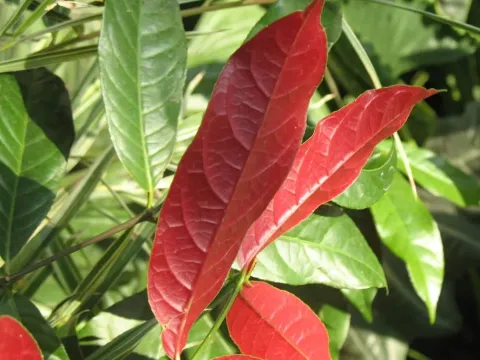
Excoecaria cochinchinensis
Excoecaria cochinchensis
Excoecaria cochinchinensis is an ornamental evergreen shrub belonging to the Euphorbiaceae family. Originating from Southeast Asia, this species is highly valued for its striking foliage, which features a glossy dark green upper surface and a vibrant deep red underside.
What the section contains
Excoecaria cochinchinensis
The plant requires a tropical environment to thrive, ideally maintaining temperatures between 18°C and 25°C. It is highly sensitive to cold drafts and sudden temperature fluctuations, which can trigger leaf drop and compromise the plant's overall health.
Proper light exposure is essential for maintaining the plant's unique coloration. While it requires bright light, it should be protected from harsh, direct sunlight during peak hours to prevent scorched leaves and ensure the vibrancy of the red pigments.
Soil composition must prioritize drainage and aeration. A well-draining potting mix, typically composed of peat moss, perlite, and organic loam, prevents waterlogging and provides the necessary oxygen access for the root system.
Consistent moisture levels are crucial, but the soil should be allowed to dry slightly between waterings. Humidity should be maintained at a high level, as the plant is adapted to tropical conditions and suffers in dry, arid indoor environments.
Common pests affecting Excoecaria cochinchinensis include spider mites, scale insects, and mealybugs. These pests are particularly problematic in environments with low humidity, where they can quickly weaken the plant by feeding on its sap.
Root rot is the most common disease encountered in cultivation, usually caused by overwatering or poorly drained containers. Once the roots are compromised, the plant becomes susceptible to secondary fungal infections that spread rapidly.
It is important to note that the plant possesses a milky, caustic sap that acts as a natural defense. This sap can cause skin irritation or allergic reactions in humans, so protective gloves should be worn when handling or pruning the plant.
Cultural management involves regular inspection of the leaves and stems to catch infestations early. Proper spacing and airflow are essential to preventing the development of mold or fungal spots on the foliage in humid conditions.
In cases of significant infestation, biological or chemical controls should be applied carefully. Always follow manufacturer guidelines for pesticides and ensure the treatment covers both the upper and lower surfaces of the leaves.