
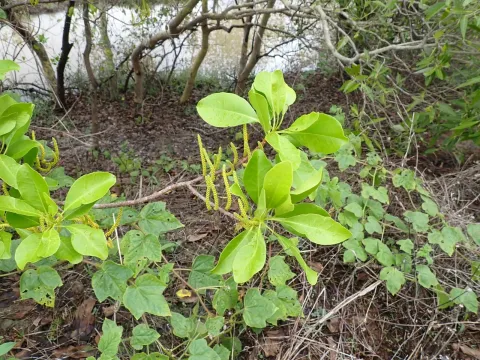
Excoecaria
Excoecaria
Excoecaria is a genus of evergreen trees and shrubs belonging to the Euphorbiaceae family. These plants are native to tropical regions of Asia, Africa, and Australia, often found in mangrove swamps and coastal environments.
What the section contains
Excoecaria
The culture requires a tropical climate with high humidity levels and constant warmth. It thrives best in temperatures between 22°C and 30°C and does not tolerate freezing conditions or cold drafts.
Environmental requirements include well-draining, nutrient-rich soil that mimics the silty consistency of their natural habitat. Despite their natural adaptation to saline environments, they require fresh water for irrigation in controlled settings.
Lighting is a crucial factor; while they prefer bright, indirect sunlight, direct midday sun may scorch the leaves. Proper placement ensures that the plant maintains its lush foliage and healthy development.
The economic and ornamental use of the plant is balanced against its toxicity. Many species produce a potent, irritating latex sap, which requires handling the plant with extreme care and appropriate personal protective equipment.
Common pests affecting Excoecaria include mealybugs and scale insects. These pests cluster in the leaf axils, and their presence can be identified by the sticky residue left on the stems and foliage.
Spider mites are a significant concern during dry spells. Increasing atmospheric humidity through misting or using a humidifier is an effective preventive measure to stop mite infestations before they become severe.
Root rot, caused by stagnant water, is the most common physiological disorder. Ensuring that the pot has large drainage holes and using a coarse substrate helps maintain healthy root aeration.
Fungal leaf spot diseases can occur if the foliage remains wet for extended periods in low-light conditions. Increasing ventilation around the plant is essential to prevent the spread of fungal spores.
As a precaution, always handle the plant with gloves. The sap contains diterpene esters that cause painful dermatitis upon contact with the skin and potentially serious eye damage if touched accidentally.