
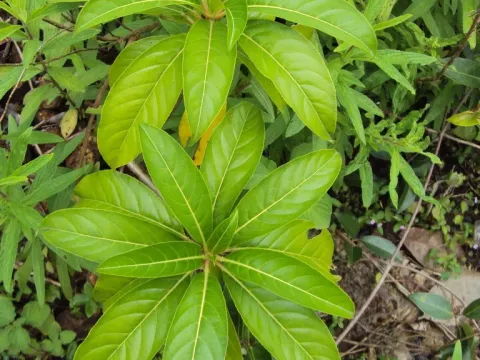
Falconeria
Falconeria
Falconeria is a genus of plants belonging to the Euphorbiaceae family. In tropical conditions, seeds are sown immediately after ripening, as they possess a limited shelf life and lose viability quite quickly.
What the section contains

Falconeria
Light, well-drained substrates supplemented with sand or vermiculite are used for propagation. The temperature during the germination phase must remain stable between 25 and 28 degrees Celsius.
Maintaining consistent soil moisture is crucial, but waterlogging must be avoided, as it is lethal to young seedlings. Seeds are usually planted at a depth of no more than one centimeter to ensure proper gas exchange.
In their natural habitat, regeneration occurs under the forest canopy, protecting seeds from direct sunlight. When grown in nurseries, providing shade for young plants is a mandatory requirement.
Once two pairs of true leaves emerge, the seedlings are pricked out into individual containers or transplanted to a permanent location in protected ground.
Falconeria has specific requirements for high temperatures, preferring a hot and humid tropical climate. The optimal temperature range for active growth is between 22 and 32 degrees Celsius year-round.
The soil for this crop should have a slightly acidic to neutral pH, be rich in organic matter, and possess high water permeability. Excessive clay in the growth medium often leads to root rot.
The plant requires regular but moderate irrigation, particularly during periods of intense growth. In environments with dry air, crown misting is necessary to prevent leaf desiccation.
Lighting should be diffused, as direct midday sun can cause severe leaf scorch. The best location for these plants is in areas with dappled shade or northern exposures with sufficient light levels.
To ensure proper plant development, it is essential to protect the culture from drafts and sudden diurnal temperature fluctuations, which can significantly weaken its immunity.
The primary threat to Falconeria involves fungal root diseases resulting from improper watering schedules or poor soil aeration. Affected specimens quickly lose turgor and often require immediate transplanting.
Among pests, spider mites cause the most significant damage, particularly in low-humidity environments where they reproduce rapidly. They suck sap from tender shoots, causing deformation and necrosis.
Mealybugs can also infest the plant, typically colonizing leaf axils and the stem base. Targeted application of contact or systemic insecticides is required to manage these infestations effectively.
Viral diseases are less common but often spread through contaminated garden tools or insect vectors. Preventing such outbreaks requires regular disinfection of all horticultural equipment.
Timely removal of dry or damaged plant parts remains an essential cultural practice to prevent the spread of infections throughout the cultivation area.