
Excoecaria oppositifolia
Excoecaria oppositifolia
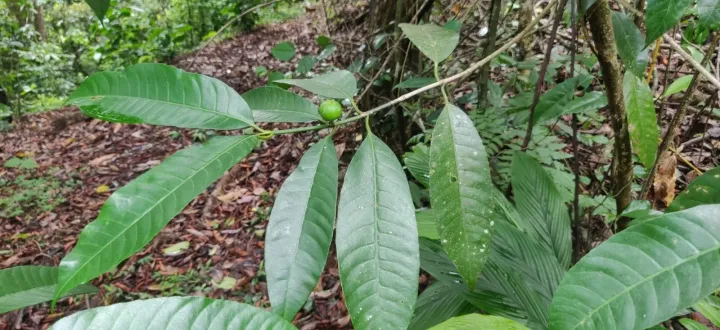
Description
Growing requirements
Excoecaria oppositifolia is a tropical tree species belonging to the Euphorbiaceae family. Native to the humid forests of South and Southeast Asia, it is primarily found in regions with significant rainfall and high average annual temperatures.
The crop thrives in well-drained, nutrient-rich soils that retain moisture without becoming waterlogged. It requires a climate characterized by the absence of frost and consistent atmospheric humidity, which is vital for the physiological processes of this evergreen species.
Botanically, the plant is distinguished by its opposite leaf arrangement and a complex vascular system typical of its family. Like many other members of Excoecaria, it produces a milky latex that acts as a primary chemical defense mechanism against biological stressors.
Agronomic management involves providing consistent irrigation during dry spells and ensuring the tree is sheltered from strong, desiccating winds. In tropical cultivation, the plant is often integrated into mixed systems to promote soil stability and maintain the local microclimate.
Economic utility of this plant is focused on its pharmacological properties, as certain extracts are used in traditional medicine. The wood is also utilized in local carpentry and forestry, emphasizing the need for sustainable management of existing populations.
Main diseases and pests
Fungal pathogens represent the most significant threat to the health of Excoecaria oppositifolia. Root rot is particularly destructive in poorly drained soils, often leading to rapid decline in the vitality of established trees.
Pest infestations such as scale insects and spider mites often target the foliage during periods of low humidity. These pests suck nutrients from the leaves, causing chlorosis and inviting opportunistic infections that can severely damage the plant's structure.
Wood-boring insects may infiltrate the trunk if the plant is stressed by environmental factors or injury. These insects compromise the vascular integrity of the tree, making it susceptible to pathogens and structural failure during extreme weather events.
Proactive management of these threats requires regular scouting to identify early signs of infestation. The thick, waxy leaves of the species provide some level of protection, but constant monitoring remains essential for maintaining healthy plantation yields.
Integrated pest management strategies are recommended, focusing on maintaining tree vigor through proper soil nutrition and adequate spacing. Chemical interventions should be performed with caution, ensuring compatibility with the specific physiological sensitivity of the Euphorbiaceae group.