
Croton sonorae
Croton sonorae
Croton sonorae is a specialized species belonging to the Euphorbiaceae family. It originates from the arid regions of Sonora, Mexico, and adjacent areas, where it has adapted to survive in extreme desert-like environments with limited water availability.
What the section contains
Croton sonorae
The cultivation of this plant requires specific environmental conditions, primarily focusing on high solar radiation and excellent soil permeability. It thrives in well-drained, sandy, or rocky soils that prevent any form of stagnant moisture around the root zone.
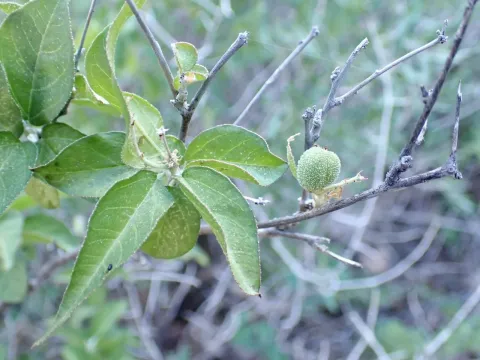
Botanically, the plant exhibits drought-tolerant features, including xeromorphic leaves with dense pubescence. These structural adaptations significantly reduce transpiration rates, allowing the plant to maintain metabolic activity under intense heat and low humidity.
Agronomic management involves replicating the plant's native seasonal patterns. Careful irrigation strategies are essential during the growing phase, while strict moisture restriction is required during the dormancy period to ensure long-term plant health.
Regarding хозяйственное use, Croton sonorae is subject to research for its biochemical properties. Species within this genus are often evaluated for the production of essential oils, resins, and various bioactive compounds that hold promise for commercial applications.
Pathogenic threats are primarily linked to water management. Over-irrigation or poor soil drainage facilitates the growth of soil-borne fungi, such as Phytophthora and Fusarium, which are lethal to this species if not managed through rigorous irrigation control.
Pest management should focus on common greenhouse and arid-climate insects. Spider mites and whiteflies are known to infest the foliage, particularly under conditions of poor ventilation, necessitating integrated pest management programs to protect the crop yield.