
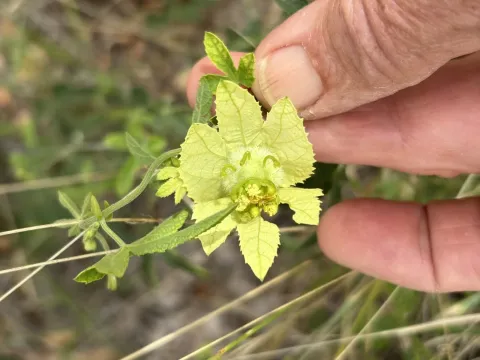
Dalechampia
Dalechampia L.
Dalechampia is a genus of evergreen tropical vines and shrubs belonging to the Euphorbiaceae family. Native to tropical regions of the Americas, these plants typically thrive in forest habitats characterized by high moisture and stable temperatures throughout the year.
What the section contains
Dalechampia
The culture requires a consistently warm environment, ideally between 20 and 25 degrees Celsius, to support active growth. It is highly sensitive to cold, and exposure to temperatures below 15 degrees Celsius can cause severe physiological stress and foliage damage.
Adequate lighting is essential for the healthy development of this plant. It prefers bright, filtered sunlight, which encourages robust stem growth and the formation of its unique, colorful bracts that are often mistaken for flowers.
The soil substrate must be well-drained and nutrient-rich to prevent root suffocation. A mixture consisting of high-quality peat, perlite, and organic compost is recommended to maintain the necessary structural stability and water retention without causing waterlogging.
Hydration management involves balanced watering practices, ensuring the soil remains moist but never saturated. During the dormant winter season, irrigation frequency should be reduced significantly to allow the plant to enter a restorative phase.
Spider mites represent a frequent threat in indoor environments with low humidity, as they thrive on the undersides of leaves. Early detection and increasing the ambient moisture levels are effective methods for managing mite infestations.
Scale insects and mealybugs can also infest the stems, weakening the plant by draining essential sap. Manual removal combined with insecticidal soap treatments is generally recommended for small to moderate pest populations.
Root rot is a common pathological threat resulting from overwatering or inadequate soil aeration. This condition leads to wilting and necrosis, which requires immediate corrective action, including soil replacement and removal of rotten roots.
Fungal infections, including leaf spot diseases, can occur when foliage remains wet for extended periods in environments with poor air circulation. Improving ventilation is critical to preventing the spread of these common fungal pathogens.
Integrated pest management strategies should be employed to maintain the long-term health of the crop. Regular monitoring and the application of organic horticultural oils help manage threats without compromising the plant's delicate tissues.