
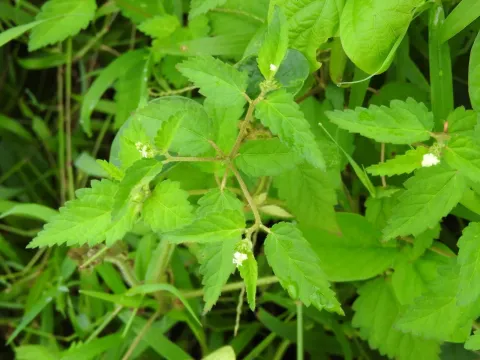
Croton trinitatis
Croton trinitatis
Croton trinitatis is a member of the Euphorbiaceae family, widely recognized for its diverse chemical composition and adaptation to tropical environments. It typically grows as an annual or perennial herbaceous plant in its native habitats.
What the section contains
Croton trinitatis
The culture thrives in well-drained, nutrient-rich soils with a slightly acidic to neutral pH level. It requires a significant amount of sunlight to optimize photosynthetic efficiency and ensure healthy development of vegetative mass.
Climatic requirements involve constant warmth, with an ideal temperature range between 22 and 30 degrees Celsius. Excessive humidity levels combined with poor soil aeration should be avoided to prevent root rot and other physiological disorders.
Botanically, the species is distinguished by its distinct leaf morphology and inflorescence structure. Proper agricultural management includes regular weeding to reduce competition for resources, especially during the early stages of plant growth.
From an industrial perspective, Croton trinitatis is valued for its bioactive secondary metabolites. These compounds are studied for their potential applications in pharmaceutical research, particularly for developing anti-inflammatory and antiseptic agents.