
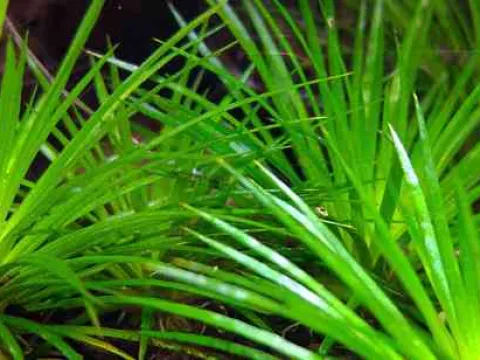
Eriocaulon afzelianum
Eriocaulon afzelianum
Eriocaulon afzelianum is a member of the Eriocaulaceae family, naturally occurring in the tropical regions of Africa. This plant species is specifically adapted to environments with high humidity and periodic or permanent waterlogging, which dictates its preference for specific soil structures.
What the section contains
Eriocaulon afzelianum
The botanical structure of the plant is defined by a basal rosette consisting of narrow, elongated leaves. The inflorescence, typical of the Eriocaulon genus, is a button-like structure carried on a slender stalk, featuring numerous minute flowers enveloped by protective bracts.
Success in cultivating this species depends heavily on providing a nutrient-poor but acidic substrate. It is highly sensitive to the mineral composition of its environment, requiring soft, low-conductivity water to thrive and maintain its biological activity without showing signs of mineral stress.
Climatic requirements involve constant, warm temperatures similar to its native tropical habitat. The plant requires significant levels of ambient light to sustain its dense growth habit, while avoiding direct, scorching sunlight which can damage the delicate cellular structure of the leaves.
In terms of utilization, Eriocaulon afzelianum is primarily valued within specialized botanical collections and professional aquascaping. Its slow growth rate and unique structural aesthetic make it a sought-after specimen for enthusiasts looking to recreate pristine tropical aquatic ecosystems.
The primary threats to this plant are linked to poor water quality and substrate compaction, which impede root respiration and encourage the proliferation of anaerobic bacteria. Excessive decomposition of organic matter in the immediate root zone can lead to severe physiological decline.
Pest management focuses on maintaining a healthy environment to prevent the colonization of the rosettes by sap-sucking insects. Careful monitoring of the water column and substrate cleanliness is essential for effective protection against opportunistic infections and localized tissue decay.