
Eriocaulon
Eriocaulon L.
Eriocaulon is a genus of perennial herbaceous plants belonging to the Eriocaulaceae family. In their natural habitat, these plants are widely distributed in tropical and subtropical regions, typically found in wetlands, swamps, and along the edges of freshwater bodies.
What the section contains
Eriocaulon
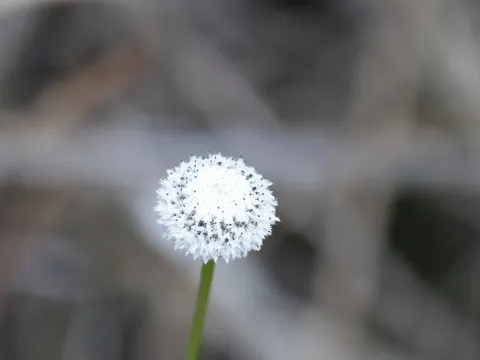
Botanically, these plants are known for their distinctive basal rosettes of linear, often stiff leaves. A key diagnostic feature of the genus is the presence of long peduncles topped with compact, globular flower heads that can be white or greyish in appearance.
In aquaculture, Eriocaulon is considered a highly prized and demanding plant. Successful cultivation requires specialized conditions, including soft water with low carbonate hardness and the consistent injection of carbon dioxide to facilitate robust photosynthesis.
Soil requirements for Eriocaulon are specific; it thrives in nutrient-rich, acidic substrates. The plant relies heavily on its well-developed root system to uptake minerals, making the choice of a high-quality, fine-grained aquatic soil essential for long-term health.
Lighting is another critical factor for this species. To maintain healthy growth and prevent decay, the plant needs intense, full-spectrum lighting. Without sufficient light, the plant quickly loses its compact structure and vitality, eventually dying off.
The primary threats to Eriocaulon are unstable environmental parameters. Rapid fluctuations in pH or water hardness can lead to sudden root decay, which is often irreversible. High concentrations of nitrates and phosphates also inhibit the growth of the species.
Physiological diseases are frequently observed, particularly chlorosis caused by deficiencies in iron or magnesium. This results in the yellowing of foliage and brittle leaf tissues, significantly reducing the plant's aesthetic value and structural integrity.
Pests such as aquatic snails pose a threat by consuming the tender parts of the plant, especially new shoots. Such physical damage creates entry points for bacterial and fungal infections, which can rapidly spread and destroy the entire specimen.
Preventative maintenance involves regular monitoring of the water chemistry and ensuring proper circulation to avoid stagnant zones. Maintaining a clean environment is vital, as decaying organic matter fosters pathogenic conditions near the root zone.
Effective management includes the precise application of micro-fertilizers and periodic pruning of damaged leaves. By keeping the growing environment balanced and free of excessive waste, the risk of disease is significantly reduced, promoting stable growth.