
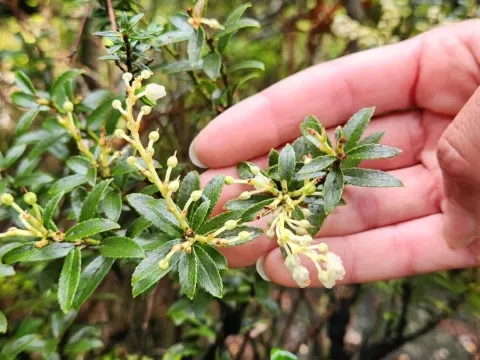
Gaulnettya
Gaulnettya
Gaulnettya is an intriguing intergeneric hybrid originating from the cross-breeding of species within the Gaultheria and Pernettya genera (the latter now classified under Gaultheria). It is a member of the Ericaceae family, which dictates its specific ecological preferences.
What the section contains

Gaulnettya
This plant is primarily cultivated as an ornamental evergreen shrub. It is highly valued for its dense foliage, which remains attractive throughout the year, and for its distinctive, colorful berries that often persist well into the winter months.
The cultural requirements are strictly linked to its botanical heritage. Gaulnettya thrives in acidic, well-draining soil rich in organic matter. Gardeners must avoid calcareous or neutral soils, as the plant is highly prone to chlorosis when pH levels are too high.
Optimal site selection involves partial shade. Direct, harsh sunlight, particularly in the summer, can cause leaf scorch and dehydration. A location with filtered light, such as under deciduous trees or near a north-facing wall, is generally ideal.
Maintaining consistent moisture is essential for the health of Gaulnettya. The root system is relatively shallow and fine, meaning it can quickly suffer during periods of drought. Regular mulching with acidic organic materials, like pine needles, helps retain moisture and regulate soil temperature.
The primary threats to Gaulnettya are related to soil-borne pathogens. Excessive moisture, especially in poorly drained heavy soils, quickly triggers root rot, which is often fatal for these Ericaceous shrubs.
Fungal leaf spots and powdery mildew are common issues, particularly when air circulation is poor. Proper spacing during planting and the removal of dead or crossing branches are effective cultural practices to mitigate these risks.
Spider mites represent the most significant pest challenge, especially in warm and dry conditions. These small pests can devastate the foliage if left unchecked, so early detection and timely application of appropriate miticides are critical.
Aphids may also appear on the fresh, tender growth during the spring season. While usually not lethal, they can stunt development and promote the growth of sooty mold on the leaves due to their excretions.
Finally, chemical sensitivity should be noted. Always verify that any fungicide or pesticide is safe for plants in the Ericaceae family before application, as high concentrations can cause severe phytotoxic damage to the leaves.