
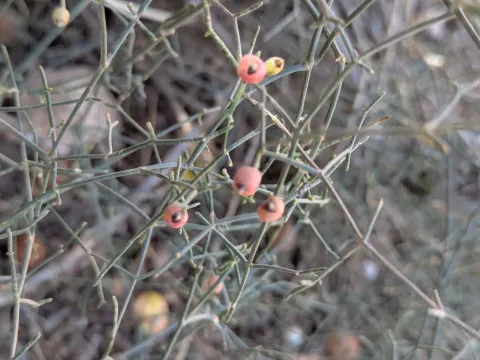
Ephedra altissima
Ephedra altissima
Ephedra altissima can be propagated using both seeds and stem cuttings. Sowing should be performed in the spring once the soil temperature consistently reaches 12-15 degrees Celsius, creating optimal conditions for germination and early growth.
What the section contains
Ephedra altissima
Seeds require a period of stratification to improve germination rates significantly. When sowing, ensure that seeds are covered with a very thin layer of substrate, as they are light-sensitive and need minimal depth to sprout effectively.
For large-scale cultivation, producing seedlings in a greenhouse is the preferred method. This approach ensures robust plants before they are transplanted into the open field, protecting them from unpredictable early spring weather and pests.
Spacing is a critical factor; plants should be spaced at least one meter apart to accommodate their natural climbing habit and ensure good airflow. Proper spacing prevents crowding, which is essential to reduce the risk of humidity-related fungal issues.
Soil preparation before sowing should include thorough weeding and the incorporation of organic matter. Eliminating deep-rooted perennial weeds during the pre-planting phase is essential for the long-term success of the plantation.
Belonging to the Ephedraceae family, Ephedra altissima is a woody shrub that thrives in arid and semi-arid environments. It is highly valued for its exceptional drought tolerance and ability to survive in harsh climatic conditions.
The crop prefers well-drained, sandy, or rocky soils. It is intolerant of waterlogged conditions, making proper site selection and drainage management critical. Heavy clay soils should be amended with grit or sand if they must be used.
Full sun is mandatory for the production of high-quality medicinal material. Insufficient light exposure leads to weakened stems and lower alkaloid concentration, which negatively impacts the commercial value of the final harvest.
While the plant is hardy and adapted to poor soils, supplemental potassium and phosphorus fertilizers can enhance woody stem growth. Nitrogen should be applied sparingly to avoid overly succulent growth that may be susceptible to pests.
In regions with cold winters, young plants may need protection or mulching around the root zone to prevent frost damage. Once established, the species is generally resilient to moderate temperature fluctuations.
The primary economic focus of Ephedra altissima is the harvesting of green stems for the pharmaceutical industry. Yield levels typically peak between the fourth and fifth year of the plantation's life.
Regular pruning and maintenance of the plant's architecture are necessary to stimulate the development of new, high-quality shoots. This practice effectively increases the total annual biomass production per hectare.
Harvesting should be timed to coincide with the period of maximum alkaloid accumulation. This usually occurs during the active vegetative growth phase, specifically before the plant begins its reproductive cycle.
Proper post-harvest processing is vital; stems must be dried quickly at temperatures not exceeding 50 degrees Celsius. This carefully controlled temperature preserves the chemical integrity and efficacy of the active ingredients.
With correct management, an Ephedra altissima plantation can remain productive for over a decade. Its longevity and low water requirements make it an efficient and sustainable crop for specialized medicinal plant farmers.
Fungal pathogens, particularly root rot, are the most significant threats to Ephedra altissima. These diseases are most prevalent in poorly drained soils where stagnant water promotes the growth of harmful microorganisms.
Pests such as aphids and spider mites can infest the stems during hot, dry weather. Regular monitoring of the plantation is required to detect early signs of infestation and apply control measures before significant damage occurs.
Competition from weeds is particularly high during the first two seasons. Using mulch can serve as a non-chemical method to suppress weeds while simultaneously improving soil moisture retention and preventing soil erosion.
Maintaining clear pathways between rows and ensuring adequate plant density helps to improve natural ventilation, which is one of the best preventative measures against common fungal infections.
Infected plant debris should be removed and destroyed immediately. Accumulation of dead plant material near the crops creates a reservoir for pathogens and can lead to recurring outbreaks in subsequent seasons.
Harvesting is performed by hand-trimming the green annual shoots. Care must be taken to use sharp, sterilized tools to ensure clean cuts, which minimizes the wound surface and promotes rapid healing.
The harvested material must be separated from any woody, non-productive parts. Only the fresh, green stems contain the desired concentration of alkaloids required for commercial extraction processes.
Post-harvest, the green stems should be spread out in thin layers in a shaded, well-ventilated structure. This controlled drying process prevents mold growth and preserves the volatile chemical compounds within the tissue.
Post-harvest field management involves cleaning the area of any fallen leaves and light fertilization to prepare the plants for their dormant phase or the next growth cycle.
Final storage should be in airtight, dry containers within a climate-controlled room. This ensures that the medicinal properties of the Ephedra altissima remain stable until the material reaches the processing facility.