
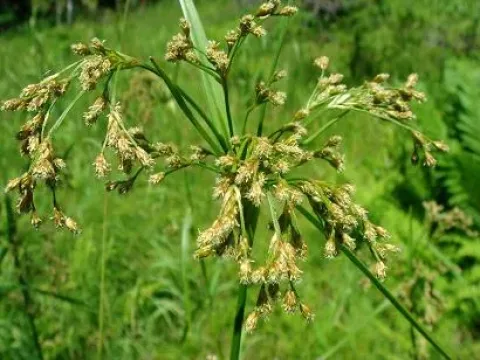
Wichura's bulrush
Scirpus wichurai
Wichura's bulrush (Scirpus wichurai) is a perennial herbaceous plant belonging to the Cyperaceae family. It is a robust species adapted to thriving in high-moisture environments, such as riverbanks, marshy meadows, and shallow lake edges.
What the section contains
Wichura's bulrush
The plant features distinct triangular stems and thin, grass-like foliage that creates dense clusters. Its growth habit is characterized by an extensive rhizome system, which provides structural integrity to the soil and enables the plant to spread rapidly under favorable conditions.
Regarding soil requirements, this species prefers nutrient-rich, silty, or organic-heavy substrates. It is particularly effective in environments where the water table remains high, as it can tolerate prolonged waterlogging that would kill most standard agricultural crops.
The plant requires full sun to partial shade for optimal vegetative development. It is highly hardy against frost, allowing it to survive in colder temperate climates where the water surface may freeze during the winter months without damaging the dormant rhizomes.
In modern agricultural and environmental engineering, this species is cultivated for its phytoremediation capabilities. It serves as a natural filter, absorbing excess nutrients and heavy metals from agricultural runoff, thereby improving water quality in surrounding drainage basins.
The most common disease affecting this bulrush is leaf rust, which manifests as brown or orange pustules on the foliage. This condition is often exacerbated by poor air circulation within the dense stands, especially during periods of high humidity and rainfall.
Pests such as aphids and stem-boring caterpillars can significantly impede plant growth. These organisms target the younger, succulent stems, causing wilting and making the plant more susceptible to secondary fungal infections during the mid-summer months.
Root rot is a critical threat that usually occurs when the water level drops unexpectedly, exposing the rhizomes to sudden changes in oxygen and temperature. Maintaining a consistent water depth is the primary strategy to prevent this destructive process.
Small mammals and rodents occasionally burrow into the dense root mats, damaging the primary rhizomes. This physical injury can lead to localized necrosis, which invites opportunistic bacteria to colonize the damaged tissues and spread through the colony.
Agricultural management should include the periodic harvesting of senescent biomass. Leaving excessive dead plant matter in the water promotes the growth of harmful algae and pathogens that can negatively impact the health of the live bulrush population.