
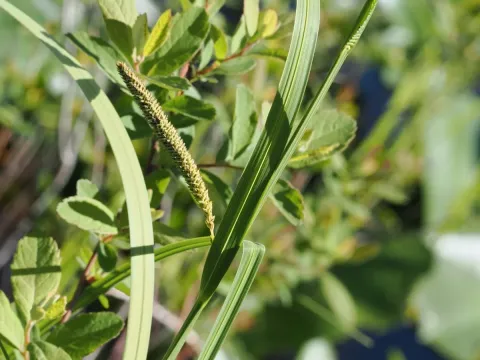
Water sedge
Carex aquatilis
Water sedge (Carex aquatilis) is a perennial herbaceous plant belonging to the Cyperaceae family. It is a highly hygrophilous species that thrives in water-saturated soils and wetlands, making it a critical component of riparian ecosystems.
What the section contains
Water sedge
The native distribution of this species spans the northern hemisphere, including Arctic and boreal regions of Eurasia and North America. It is typically found along riverbanks, lake margins, and wet meadows where it can withstand prolonged seasonal flooding.
The plant requires high light levels for optimal growth. It is exceptionally cold-hardy and well-adapted to the harsh climates of subarctic zones, where it demonstrates a remarkable ability to survive winter ice and spring thaw conditions.
Soil requirements focus on moisture-rich, silted, or peaty substrates with neutral to acidic pH levels. The plant’s extensive rhizomatous root system provides excellent soil stabilization, effectively preventing erosion in areas subject to fluctuating water levels.
Agronomic management of water sedge involves maintaining adequate moisture levels throughout the growing season. The plant propagates primarily through vegetative spread, and managed harvesting can stimulate tiller production and sustain the long-term vitality of the stand.
The biomass productivity of water sedge is highly dependent on nutrient availability in the sediment and the duration of flooding. In fertile river floodplains, dense stands of the plant can produce significant quantities of forage material.
In agricultural practice, water sedge is harvested for hay in northern regions where it serves as a vital supplementary source of roughage for livestock. Its nutritional value is most favorable when the crop is cut prior to the hardening of the stalks.
Beyond forage, the plant is increasingly valued for its role in phytoremediation. Its roots are efficient at absorbing excess nutrients such as nitrogen and phosphorus from agricultural runoff, helping to mitigate the impacts of water pollution.
Historically, the sturdy stems have been utilized for insulation, basketry, and bedding for livestock. Modern research is also exploring the potential for converting its cellulose-rich biomass into sustainable biofuels.
Average yields can range from 1.5 to 3 metric tons of dry matter per hectare under favorable conditions. Consistent management, including rotational mowing, is necessary to prevent the stand from becoming overly mature and losing nutritional quality.
Common diseases affecting water sedge include various fungal pathogens such as rusts and leaf spots, which thrive in stagnant, humid environments. These infections can degrade the quality of the foliage if not managed through timely harvesting.
Insect pests, including various dipteran larvae, may feed on the leaves, though significant outbreaks are rare in well-maintained populations. These pests usually cause minor cosmetic damage rather than widespread crop failure.
Biological competition poses a significant threat as encroaching woody species, such as willow or alder, can displace water sedge if regular disturbance is absent. This transition leads to a loss of the meadow habitat.
Overgrazing by livestock can lead to soil compaction and damage to the shallow rhizome network. Sustained pressure from grazing animals reduces the regenerative capacity of the plant, eventually thinning the population over time.
Control strategies for threats remain largely preventive, focusing on maintaining optimal hydrological cycles and harvesting schedules. The use of chemical pesticides is strictly prohibited in or near water bodies to protect the local environment.