
White sedge
Carex alba
Description
Growing requirements
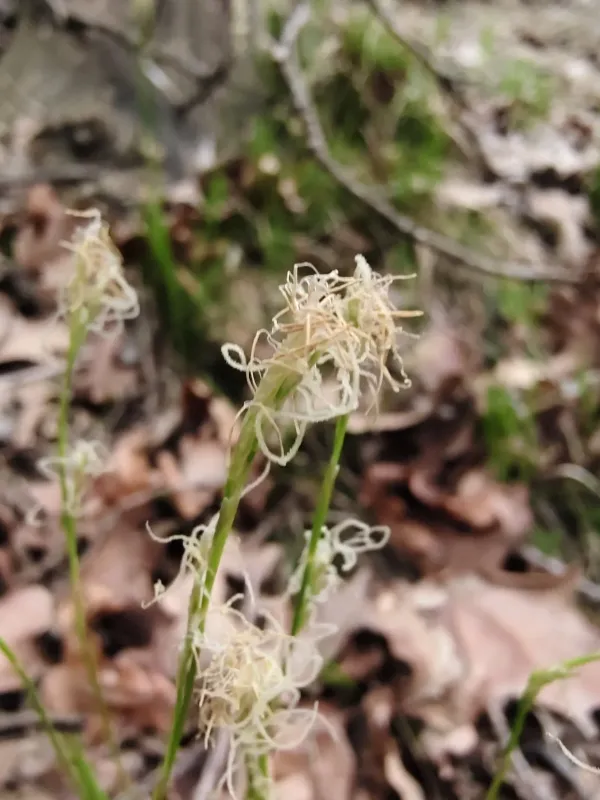
White sedge (Carex alba) is a perennial herbaceous plant belonging to the Cyperaceae family. It is distinguished by its creeping rhizomes and thin, bright-green leaves. Native to temperate regions of Eurasia, it typically inhabits forest margins and well-drained calcareous slopes.
The plant thrives in temperate climates with moderate rainfall. It requires well-aerated soils and does not perform well in waterlogged conditions. The temperature range should favor active growth during the early spring, allowing the plant to establish itself before the peak summer heat.
In terms of pedology, Carex alba is known for its preference for calcareous soils. It acts as an indicator species for sites rich in calcium. Proper drainage is essential to ensure the root system remains healthy and to prevent the development of root-borne pathogens.
Agricultural management of this species involves maintaining appropriate grazing density to prevent overgrazing. Given its rhizomatous structure, the plant is resilient, but frequent cutting or heavy trampling can eventually reduce the vigor of the plant stand if not managed correctly.
Hostile use of White sedge includes soil conservation and forage for grazing livestock. Due to its early growth cycle, it provides essential green biomass early in the season when other forage crops have not yet reached their full development, serving as a reliable early-season resource.
Main diseases and pests
The main threats to the health of Carex alba populations are fungal pathogens, specifically rusts, which occur during periods of high humidity. Furthermore, invasive species or competitive weeds can outcompete white sedge if the soil fertility or moisture levels are not optimal.