
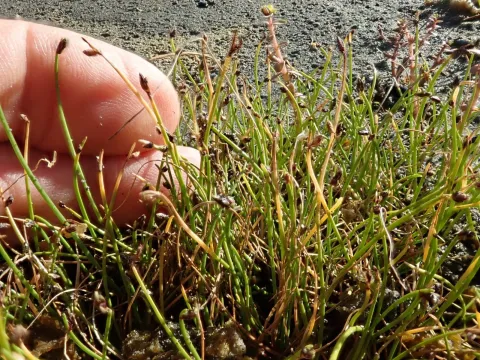
Isolepis cernua
Isolepis cernua
Propagation of Isolepis cernua is most commonly achieved through the division of the root clump, which is best performed during the spring repotting cycle.
What the section contains
Isolepis cernua
When propagating from seeds, they should be sown on the surface of a moist peat-based medium without covering them with soil. A cover or plastic wrap is necessary to maintain humidity.
Seeds require a steady temperature of around 20-22 degrees Celsius to germinate. Providing light during the germination period is beneficial for seedling health.
Seedlings should be pricked out into small pots as soon as they are large enough to handle. The root system is extremely fine, so extreme care is required during transplantation.
Transitioning seedlings to standard indoor conditions must be gradual. Maintain a consistently damp growing environment until the plants reach maturity.
Isolepis cernua is a member of the Cyperaceae family, often found in nature along riverbanks and in boggy areas. It is widely cultivated for its unique, grass-like appearance.
The primary cultivation requirement is high moisture. The plant thrives when grown in a container placed within a larger pot containing water, keeping the soil constantly saturated.
The substrate should be a nutrient-rich, well-draining yet moisture-retentive mix. A composition of peat, humus, and sand is generally recommended for optimal growth.
Bright, indirect light is essential. While the plant loves moisture, direct hot sunlight can cause the delicate, hair-like foliage to turn brown and wither.
Moderate temperatures are ideal for this species. It prefers a range between 18 and 24 degrees Celsius and should be protected from drafts or extreme temperature swings.
Spider mites are the most common pest, especially if the indoor environment is too dry. Regular misting of the foliage helps to deter these pests.
Poor ventilation combined with constant water saturation can lead to fungal infections. It is crucial to monitor the base of the plant for signs of decay.
Scale insects can occasionally infest the stems. If spotted, they should be removed manually or treated with appropriate systemic insecticides.
Water quality is critical. Using water high in minerals can lead to salt buildup in the soil, which causes the leaf tips to brown and the overall plant vigor to decline.
- Maintain high ambient humidity levels.
- Use filtered or distilled water to prevent salt accumulation.
- Isolate the plant if any signs of pests appear to prevent spread.