
Isolepis
Isolepis
Isolepis, commonly known as fiber optic grass or bulbous sedge, is a genus of herbaceous perennial plants belonging to the Cyperaceae family. Naturally occurring in diverse environments, these plants primarily thrive in damp, boggy, and littoral zones across many parts of the globe.
What the section contains
Isolepis
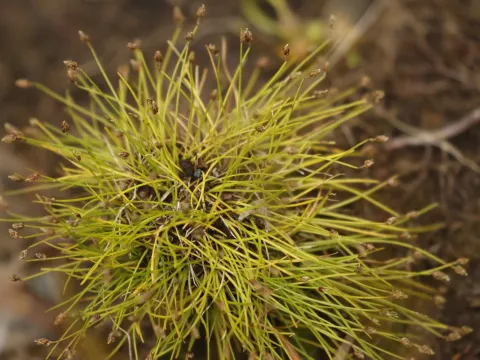
The botanical structure of Isolepis is distinguished by its dense clumps of thin, thread-like stems that often feature tiny, clustered spikelets at the tips. This growth habit gives the plant its characteristic decorative, cascading appearance that resembles a cluster of light fibers.
Successful cultivation of Isolepis requires strict adherence to moisture requirements, as the plant acts as a hydrophyte. It demands consistently wet soil and high humidity, making it an ideal choice for the margins of water features or as a container-grown plant in water-retaining media.
Regarding light conditions, the plant prefers bright, indirect light. Exposure to intense, direct sunlight, especially in hot climates, can quickly lead to dehydration of the foliage, requiring immediate corrective irrigation to maintain the health and color of the shoots.
In landscape architecture and horticulture, Isolepis is prized for its texture and ability to soften the edges of water installations. Beyond its aesthetic use, it serves as a robust example of a wetland species that adapts well to controlled environments if water availability is guaranteed.
The most common pests affecting Isolepis are spider mites, which thrive when environmental humidity drops, and mealybugs that can hide within the dense network of fine stems.
Fungal diseases are predominantly linked to poor drainage or stagnant water conditions when combined with suboptimal temperatures, often leading to the development of root and crown rot.