
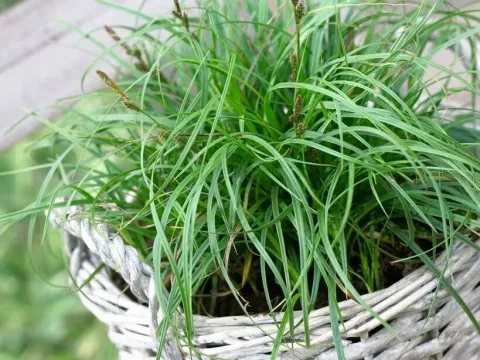
Hybrid Sedge
Carex hybrids
Hybrid Sedge (Carex hybrids) belongs to the Cyperaceae family. It is a group of selectively bred perennial herbs, designed to balance aesthetic appeal with environmental resilience.
What the section contains
Hybrid Sedge
Originating from temperate regions, these plants are widely cultivated across various climates. They are particularly known for their ability to thrive in damp environments and marginal soil conditions.
The culture requires rich, well-draining soil to achieve optimal growth. While they tolerate a range of soil types, maintaining a steady moisture level is essential for the health of the root system.
Climate requirements for this crop are relatively moderate, as most hybrids exhibit significant hardiness to cold temperatures, making them suitable for year-round cultivation in temperate zones.
Agronomic practices include spring maintenance to remove dead foliage and division of the root clumps every few years to prevent overcrowding and ensure vigorous regrowth of the foliage.
Common diseases affecting hybrid sedge are primarily fungal, including rust and leaf spot, which often occur when humidity is high and airflow within the foliage is restricted.
To mitigate the risk of fungal infections, growers should ensure proper spacing during planting, which facilitates natural drying and reduces the buildup of pathogens.
Pests such as aphids and leaf-chewing insects can occasionally affect the plant during the warmer months, leading to reduced decorative or ecological value.
Integrated pest management, including regular inspection and the use of targeted biological controls, is the most effective strategy for maintaining plant health.
Consistent agronomic observation is necessary to identify potential threats early, allowing for timely intervention before the health of the entire planting is compromised.