
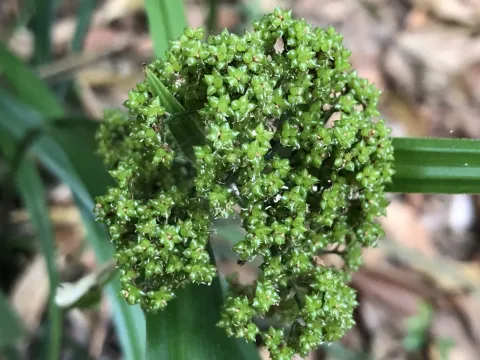
Hypolytrum
Hypolytrum
Hypolytrum is a genus of perennial plants belonging to the Cyperaceae family. These plants are native to the tropical and subtropical regions of the world, thriving in dense forests, swamps, and riverbanks where moisture is abundant throughout the year.
What the section contains


Hypolytrum
In terms of light, Hypolytrum prefers shaded or semi-shaded environments. Direct sunlight can cause leaf scorching, so providing diffused light is essential for maintaining the health and vibrant color of the foliage in greenhouse settings.
Soil requirements are quite specific: the medium must be highly moisture-retentive, rich in organic matter, and slightly acidic. Good aeration is vital to ensure that the roots receive oxygen despite the high water demand of the species.
Temperature management is crucial as Hypolytrum is extremely sensitive to cold. It requires a constant tropical climate, with temperatures generally ranging between 20°C and 30°C to ensure optimal physiological activity and growth.
The agricultural practice for this genus focuses on maintaining stable humidity levels. It is often grown for ornamental purposes or as part of botanical collections, requiring careful control over irrigation quality to prevent salt buildup in the substrate.
The primary threat to Hypolytrum is root rot, typically caused by waterlogging in non-porous soil or improper drainage. This condition is difficult to treat once the root system has been significantly compromised.
Pests such as scale insects and spider mites are common problems in indoor cultivation environments. These pests thrive in dry air, so maintaining high ambient humidity acts as a natural deterrent against infestations.
Fungal infections can also occur when air circulation is poor. Keeping the leaves dry and ensuring the surrounding space has enough airflow helps in preventing the development of mildew or spotting on the foliage.
Leaf tip necrosis is a frequent issue if the water quality is poor or if the plant is subjected to sudden changes in environmental humidity. Using filtered or distilled water is recommended to avoid heavy mineral accumulation.
General plant vigor can be maintained through regular, balanced nutrition and by removing any dead or decaying organic matter from the base of the plant to prevent the spread of opportunistic pathogens.