
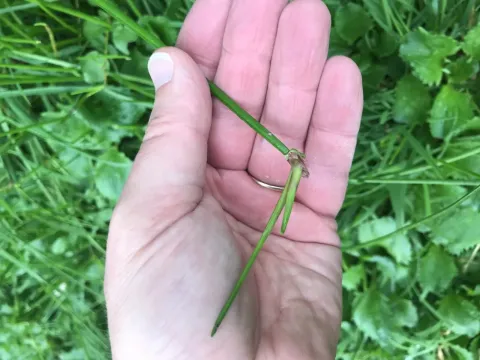
Isolepis prolifera
Isolepis prolifera
Isolepis prolifera is a perennial herbaceous plant belonging to the Cyperaceae family. It is a highly specialized species that thrives in wetland environments, making it a unique choice for landscaping water features, pond edges, and high-moisture agricultural zones where water tables are constantly high.
What the section contains
Isolepis prolifera
Originating from Southern Africa, this plant has adapted to diverse climatic conditions, though it remains essentially tropical in its requirements for warmth and moisture. Its natural distribution is linked to stable wetlands, which dictate its specific needs when cultivated in managed garden or nursery environments.
Botanically, the plant is characterized by its tufted habit, consisting of numerous slender, grass-like stems. The species is aptly named "prolifera" because of its ability to produce small plantlets at the tips of its stems, providing an efficient mechanism for vegetative propagation and rapid colony expansion.
The cultivation requirements are strict regarding water availability. The plant should be grown in consistently moist, boggy, or even submerged conditions. When grown in pots, it is recommended to keep the base in shallow water, ensuring that the root system is never exposed to dry conditions, which would lead to rapid wilting.
Regarding climate, Isolepis prolifera prefers bright, indirect sunlight. While it can handle direct morning sun, intense afternoon heat can scorch the delicate foliage. It is generally not frost-tolerant and requires protected growing environments in regions that experience temperatures consistently below 10 degrees Celsius.
Fungal diseases are the primary threat, particularly when grown in stagnant water or poorly ventilated areas. Overcrowding can lead to the development of mold and root rot, which are often fatal to the plant. Maintaining water movement or ensuring regular refreshing of the substrate helps mitigate these risks.
Pest management focuses on controlling aphids and spider mites, which are common under glasshouse or indoor conditions. These pests tend to colonize the tips of the stems, where the plantlets are forming, causing stunted growth and significant damage to the plant's overall aesthetic and vitality.