
Izuro Sedge
Carex idzuroei
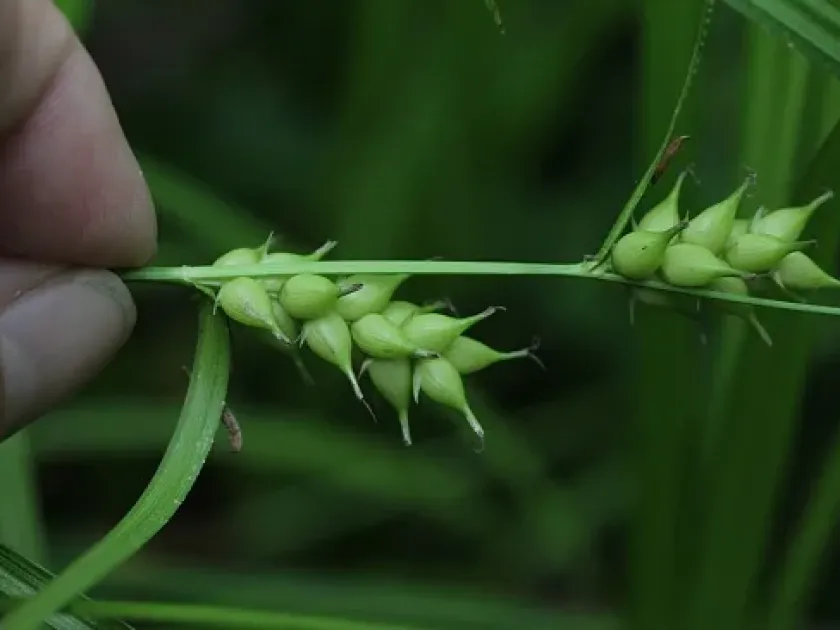
Description
Sowing dates
Izuro Sedge (Carex idzuroei) belongs to the Cyperaceae family. It is a perennial herbaceous plant typically propagated via vegetative division of the rootstock, which ensures that the specific ornamental traits are preserved in the new clusters.
The optimal time for planting or dividing is in early spring when the soil has warmed up, but sufficient moisture is still present in the lower layers. Planting in the autumn is also possible, provided the plant has enough time to establish roots before the ground freezes.
When grown from seeds, sowing is typically performed in late autumn for natural stratification or in early spring using pre-stratified seeds. Seeds require shallow sowing on the surface, as light is essential for successful germination.
Plant spacing should be calculated based on the desired visual effect. For a solid ground cover effect, plants should be spaced 30 to 40 centimeters apart, allowing them to fill the space and create a dense mat that naturally suppresses weeds.
Immediate irrigation after planting is crucial. The soil moisture must be monitored consistently for the first month to prevent root desiccation, as the young root system is not yet capable of accessing deeper groundwater sources.
Growing requirements
Izuro Sedge thrives in areas with adequate sunlight but also exhibits good tolerance for partial shade. When planted in high-sun exposure areas, the plant requires more frequent watering to maintain the turgor and color of its leaves.
The plant prefers fertile, well-draining loamy or sandy soils. Soil enriched with organic matter promotes vigorous growth and helps the plant maintain a lush, full appearance throughout the growing season.
Consistent soil moisture is essential for this species. It performs exceptionally well in areas near ponds or in soils with high water tables, as the sedge is highly sensitive to prolonged drought, which can lead to tip-burn.
The ideal soil pH is slightly acidic to neutral. High-alkalinity soils should be avoided or amended, as they can inhibit nutrient uptake, specifically iron and manganese, leading to chlorosis of the foliage.
The species is generally winter-hardy. In regions characterized by harsh, snowless winters, applying a light layer of mulch around the base of the plant is recommended to insulate the roots and prevent frost-heaving of the soil.
Main diseases and pests
The primary threat to the health of Izuro Sedge is excessive soil moisture combined with cold temperatures, which can lead to crown rot. Maintaining a well-draining site is the most effective preventative measure against fungal complications.
In densely packed plantings with poor air circulation, there is a risk of fungal infections such as rust or powdery mildew. Ensuring adequate spacing and performing regular spring clean-up helps minimize these risks.
Pests such as slugs or soil-dwelling larvae can occasionally damage the young shoots. Regular monitoring of the foliage in the early morning helps identify and address these issues before they cause significant aesthetic damage.
If chemical intervention becomes necessary, use only gentle biological pesticides that are safe for surrounding ornamental plants. Avoid synthetic broad-spectrum insecticides that may harm beneficial insects in the garden.
Sanitation is a vital aspect of disease prevention. Removing old, damaged, or infected foliage early in the spring reduces the overwintering population of pests and spores, keeping the plant healthy for the new season.
Harvesting
As Izuro Sedge is primarily utilized for landscape design and aesthetic purposes, there is no agricultural harvest cycle. However, regular maintenance trimming is an essential agronomic practice to keep the plant in good condition.
Pruning should be performed early in the spring before the plant begins its active growth phase. Cutting back the old foliage stimulates the production of fresh, vibrant shoots, ensuring a clean and tidy appearance.
When used in floral arrangements, the stalks and foliage can be harvested when they reach full maturity. They are highly valued for dried arrangements, as they retain their structural integrity and flexibility for a long time.
The material should be dried in a cool, shaded, and well-ventilated location to preserve its color and texture. Once dried, the sedge adds a sophisticated, natural touch to wreaths and interior decorations.
Leaving the foliage during the winter is a management choice. While removing it looks cleaner, leaving the old leaves intact can provide extra protection for the root crown in colder climates, to be trimmed only in the spring.