
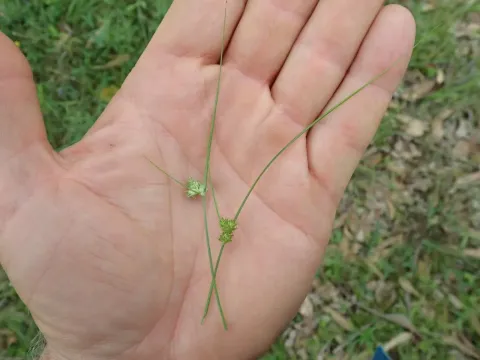
Inversed sedge
Carex inversa
Carex inversa, commonly known as the Inversed sedge, is a resilient perennial member of the Cyperaceae family. It is widely recognized for its ability to form dense clusters, making it an interesting species for ecological and ornamental purposes.
What the section contains
Inversed sedge
Native to Australia and New Zealand, this plant has adapted to a variety of environments, ranging from damp pastures to roadsides and urban landscapes, showcasing a high degree of environmental plasticity.
The crop thrives in sunny to partially shaded locations. It prefers fertile, well-drained soils that retain some moisture throughout the growing season, though it displays surprising tolerance to dry spells once established.
From a botanical standpoint, the plant is characterized by its slender, arching leaves and distinctively positioned spikelets that give it the common name "inversed". Its root system is fibrous and helps in stabilizing the upper soil strata.
Agricultural management involves regular weeding and occasional fertilization to promote dense foliage. Due to its potential to spread rapidly, cultivators should manage the spacing carefully to prevent it from outcompeting desired crops.
The primary health threats to Carex inversa include fungal rusts and leaf spots, which typically emerge during seasons with prolonged rainfall and high humidity levels.
Pest issues such as mealybugs or grass-feeding caterpillars can occasionally occur, causing localized damage to the foliage and reducing the aesthetic and physiological value of the plant.
Managing these threats requires maintaining proper air circulation around the plants and ensuring that the soil is not overly saturated, which helps to mitigate fungal growth.
Integrated pest management strategies are recommended, focusing on early detection and the use of physical barriers or biological controls before resorting to chemical interventions.
Sanitation, including the removal of dead leaves at the end of the season, is essential for preventing the carry-over of pathogens and ensuring a healthy start for the new growth phase.